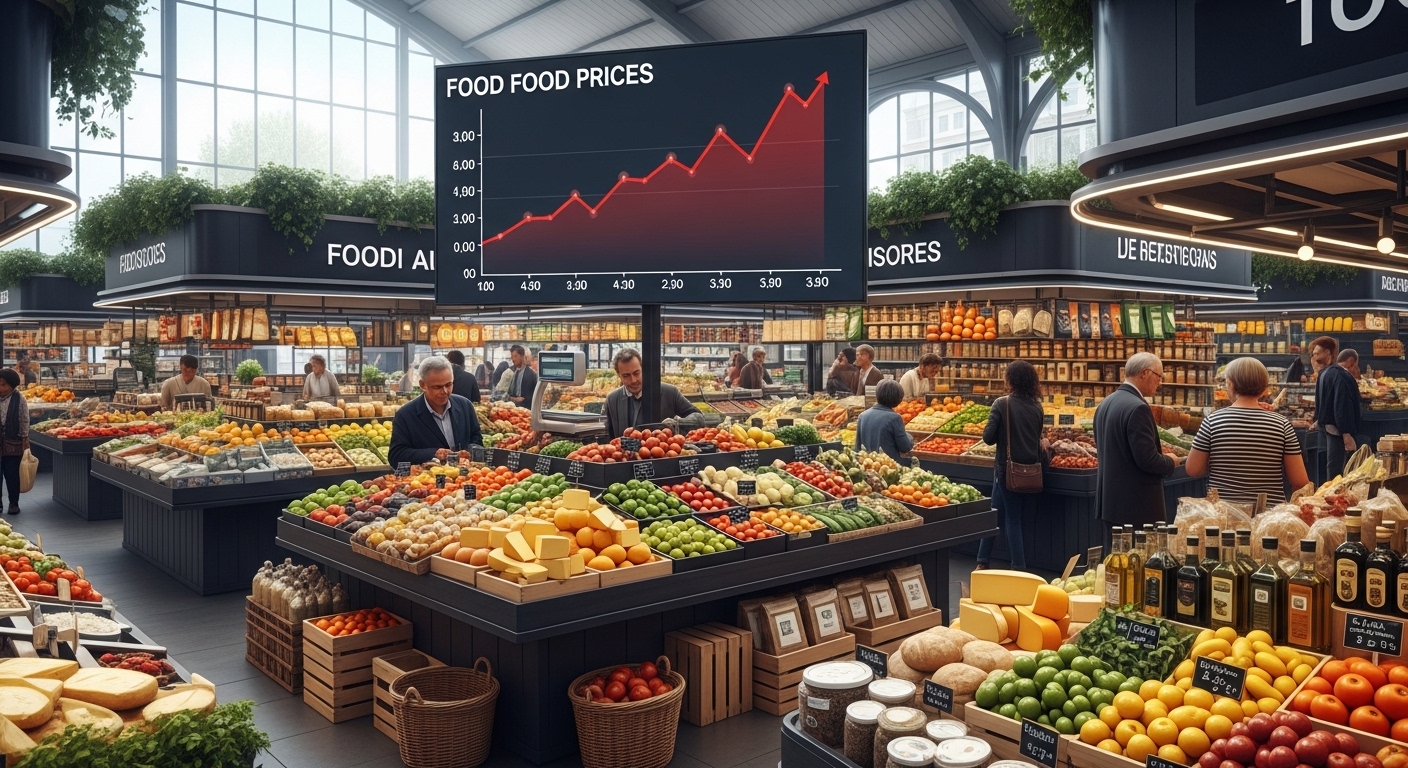

Global Food Prices Rise in 2026 as Climate Shocks and Supply Chain Disruptions Pressure Markets
Introduction
Global food prices are climbing sharply in 2026, sparking concern among governments, economists and consumers as inflationary pressure returns to food markets worldwide. A combination of extreme weather events, disrupted supply chains, rising fuel costs and weaker agricultural output has pushed staple food prices higher across several regions.
Analysts warn that if the trend continues, millions of households could face increased financial strain while vulnerable economies may struggle with worsening food insecurity.
The rising prices of wheat, rice, cooking oil and other essentials have already become a major global economic concern.
Food Inflation Accelerates Across Global Markets
Food inflation has emerged as one of the biggest economic stories of 2026.
Prices have risen across several major categories:
- Wheat and grains
- Rice supplies
- Vegetable oils
- Dairy products
- Meat exports
- Fresh produce
Economists say supply shortages and production challenges are driving much of the increase.
Climate Shocks Impact Crop Production
Severe climate events have played a major role in tightening food supplies.
Agricultural output has been affected by:
- Drought conditions in major farming regions
- Flood damage to crops
- Heatwaves reducing yields
- Water shortages for irrigation
- Unpredictable seasonal patterns
Farm experts say weather-related disruptions are putting long-term pressure on food markets.
Wheat and Rice Markets Under Pressure
Global wheat prices have seen renewed volatility as harvest concerns continue.
Key pressures include:
- Lower export availability
- Transportation disruptions
- Rising fertilizer costs
- Weather-related crop losses
Rice markets have also faced supply concerns, increasing pressure on countries dependent on imports.
Rising Fuel Costs Adding to Food Prices
Higher energy costs are also contributing to rising food inflation.
Fuel impacts food prices through:
- Transportation costs
- Farming equipment expenses
- Fertilizer production costs
- Cold storage and distribution
Analysts say energy and food markets remain closely linked.
Supply Chain Problems Continue
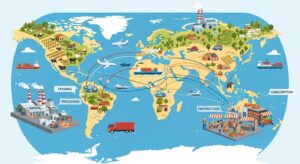
Global supply chains remain under strain.
Challenges include:
- Shipping delays
- Port congestion
- Freight costs
- Trade route disruptions
- Logistics shortages
These factors continue pushing prices upward for import-dependent nations.
Governments Respond to Food Price Surge
Several governments are responding with emergency measures.
Policy Responses Include:
- Food subsidies
- Price controls on staples
- Export restrictions
- Emergency grain reserves
- Consumer relief programs
Officials say intervention may be needed to stabilize markets.
Impact on Consumers
Rising food prices are affecting household budgets globally.
Families are reporting higher costs for:
- Bread and flour
- Cooking oil
- Milk products
- Meat and poultry
- Daily groceries
Lower-income households are facing the greatest pressure.
Inflation Risks Return
Economists warn rising food prices could worsen broader inflation.
Possible impacts include:
- Central bank policy pressure
- Higher living costs
- Slower economic growth
- Consumer spending weakness
Food inflation is increasingly shaping economic forecasts.
Global Hunger Concerns Grow
Humanitarian agencies warn prolonged food inflation may increase hunger risks.
Key concerns include:
- Reduced food affordability
- Import pressure on poor nations
- Humanitarian supply strain
- Rising malnutrition risks
Experts say food security may become a major international issue in 2026.
Agricultural Markets Watching Weather Closely
Commodity traders are monitoring weather conditions that may influence supply.
Markets are watching:
- Harvest forecasts
- Rainfall conditions
- Crop disease risks
- Export volumes
Agriculture remains a key focus for global markets.
Can Food Prices Stabilize?
Experts say several factors could help ease pressure:
Possible Relief Factors
Improved Harvest Seasons
Stronger crop output may support supply.
Lower Energy Prices
Reduced fuel costs may ease transport expenses.
Supply Chain Recovery
Improved logistics could help stabilize markets.
But analysts warn volatility may continue.
What Experts Are Predicting
Forecasts suggest food prices could remain elevated through much of 2026.
Possible scenarios include:
- Continued inflation pressure
- Gradual stabilization
- New supply shocks causing further increases
Much depends on weather, energy markets and trade conditions.
Why This Story Matters Globally
Food prices affect more than grocery bills.
They influence:
- Inflation
- Trade
- Politics
- Social stability
- Global development
That makes food inflation one of the most important world news stories this year.
Conclusion
The rise in global food prices in 2026 is becoming a major economic and humanitarian concern. Climate disruptions, supply chain problems and energy costs are all driving pressure on food markets worldwide.
As governments respond and markets remain volatile, consumers and policymakers alike are closely watching whether relief will come—or whether the global food crisis could deepen further.
For now, food inflation remains one of the biggest developing stories in world news.
FAQ
Why are food prices rising in 2026?
Climate shocks, supply disruptions, fuel costs and inflation are major reasons.
Which foods are seeing biggest price increases?
Wheat, rice, cooking oils and dairy products are under pressure.
How do fuel prices affect food costs?
They raise transport, production and distribution expenses.
Could food prices fall later in 2026?
Possible, but experts expect continued volatility.
Why is food inflation important globally?
It affects economies, households and food security worldwide.