
Global Recession Fears Grow in 2026 as Inflation and Debt Pressures Shake World Economies
Introduction
Concerns over a possible global recession are intensifying in 2026 as major economies face mounting pressure from persistent inflation, rising debt levels and slowing growth. Financial markets have become increasingly sensitive to signs of economic weakness, with investors, policymakers and institutions closely watching whether the world economy is moving toward a deeper slowdown.
Across developed and emerging markets, warning signals are drawing attention. Consumer demand has weakened in several regions, industrial output is showing signs of strain, and borrowing costs remain elevated. At the same time, geopolitical instability and trade disruptions continue adding uncertainty to an already fragile global economic environment.
Many analysts say recession fears are no longer viewed as a distant risk but as a growing possibility. Whether the global economy slips into a full downturn or avoids one through policy intervention remains uncertain, but the debate has become one of the defining economic stories of the year.
Why Recession Fears Are Rising in 2026
Economists point to multiple risks converging at once.
Key factors fueling recession fears include:
- Persistent inflationary pressure
- High government and corporate debt
- Slower consumer spending
- Weak industrial growth
- Trade and supply disruptions
- Geopolitical uncertainty
Individually these pressures can slow economies. Together, they raise broader concerns about global financial stability.
Many experts warn that the combination of these risks is what makes 2026 especially uncertain.
Inflation Continues to Pressure Economies
Inflation remains one of the biggest threats to growth.
Although price increases have moderated in some regions compared with previous peaks, inflation remains stubborn in many parts of the world.
Costs remain elevated in major sectors including:
Food Prices
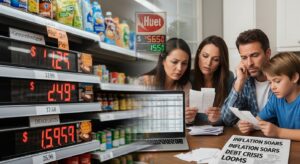
Higher grocery and commodity costs continue straining household budgets.
Energy Costs
Volatile energy prices remain a challenge for businesses and consumers.
Housing Expenses
Rent and housing affordability remain major concerns.
Transportation Costs
Fuel and logistics expenses continue affecting both households and supply chains.
Persistent inflation reduces purchasing power and often weakens consumer demand—an important driver of economic growth.
That has become a major recession warning sign.
Global Debt Pressures Are Intensifying
Debt concerns have become another major source of risk.
Governments, corporations and households are dealing with rising financial pressure as borrowing costs remain high.
Challenges include:
- More expensive debt servicing
- Higher interest payments
- Growing fiscal deficits
- Pressure on government budgets
- Corporate refinancing risks
Analysts say economies with high debt loads may be especially vulnerable if growth weakens further.
Some economists warn debt-related instability could become a major trigger for broader economic stress.
Major Economies Facing Slowdown Risks
United States Economic Outlook Under Scrutiny
The US economy remains central to global recession fears.
Recent economic signals have shown mixed trends.
Markets continue watching:
- Employment data
- Consumer spending activity
- Manufacturing indicators
- Central bank decisions
Some sectors remain resilient, but signs of slower momentum have fueled debate over whether growth may weaken further.
Because the United States plays a major role in global finance and trade, any major slowdown could have worldwide consequences.
Europe Facing Economic Pressures
European economies continue facing significant challenges.
Major concerns include:
- Weak industrial performance
- Elevated energy costs
- Soft consumer demand
- Export slowdowns
Some economists believe recession risks remain elevated in parts of Europe due to prolonged structural pressures.
Businesses across the region are also watching demand trends closely.
Emerging Markets Under Pressure
Emerging economies may face even greater vulnerability during global downturn risks.
Challenges include:
- Currency weakness
- High import costs
- Debt exposure
- Capital outflows
- External financing pressure
For many developing nations, a global slowdown could increase economic stress considerably.
That has raised concerns about wider financial instability.
Financial Markets React to Recession Concerns
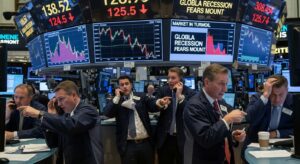
Global markets have responded sharply to recession fears.
Volatility has increased as investors react to uncertainty over growth and interest rates.
Markets are watching:
Growth Signals
Weak economic data often raises recession concerns.
Inflation Risks
Persistent inflation complicates policy responses.
Interest Rate Uncertainty
Markets remain sensitive to central bank decisions.
Corporate Earnings
Signs of weaker profits can intensify fears of slowdown.
Some analysts warn financial markets may remain volatile if recession risks continue rising.
Could a Global Recession Happen in 2026?
Economists remain divided.
Some believe the global economy may avoid full recession.
Others warn synchronized weakness could trigger a broader downturn.
Scenario One: Mild Slowdown
Some analysts believe growth may simply slow without turning into full recession.
In this scenario:
- Growth remains weak but positive
- Inflation gradually eases
- Policy adjustments support recovery
This is viewed as the softer landing outcome.
Scenario Two: Global Recession
Others warn simultaneous weakness across major economies could lead to recession.
Possible triggers include:
- Financial instability
- Sharp demand contraction
- Debt stress events
- Geopolitical shocks
This remains a major concern in some forecasts.
Scenario Three: Recovery Strengthens
A more optimistic view suggests easing inflation and stronger demand could support broader recovery.
Supporters of this view point to:
- Labor market resilience
- Possible rate cuts
- Improving supply conditions
But uncertainty remains high.
Impact on Households
If recession risks deepen, households could face growing pressure.
Possible impacts include:
Job Risks
Economic slowdowns can increase unemployment concerns.
Higher Financial Stress
Households may struggle with debt, prices and reduced income security.
Lower Consumer Confidence
People may spend less during uncertain periods.
Consumer behavior itself can influence recession risks.
Impact on Businesses
Businesses may also face major challenges during slowdown conditions.
Potential impacts include:
- Reduced demand
- Lower investment
- Hiring slowdowns
- Financing pressure
Small businesses may be particularly vulnerable.
Some firms may delay expansion plans until economic conditions improve.
Trade Risks and Global Supply Pressures
Trade disruptions remain another concern.
Global trade faces pressure from:
- Shipping disruptions
- Geopolitical tensions
- Supply chain risks
- Protectionist policies
These factors can weaken growth and add inflationary pressure.
Trade performance remains a key recession indicator.
Central Banks and Government Response
Policymakers are weighing options to support growth while controlling inflation.
Possible responses include:
Interest Rate Adjustments
Central banks may adjust policy depending on inflation and growth data.
Economic Support Measures
Some governments may consider targeted stimulus.
Debt Relief Measures
Support programs may help reduce pressure in vulnerable sectors.
Inflation Management Policies
Authorities continue balancing growth support with inflation control.
Markets remain highly focused on policy signals.
Why Recession Fears Matter Globally
A global recession would not be limited to financial markets.
Its effects could reach:
- Employment
- Trade flows
- Investment activity
- Political stability
- Social conditions
That is why recession fears have become one of the most important global economic stories of 2026.
The stakes extend far beyond economists and investors.
What Experts Are Watching Next
Analysts say several indicators may determine where the economy heads next.
Key signals include:
- Inflation trends
- Interest rate decisions
- Consumer spending strength
- Employment conditions
- Global trade activity
These factors may shape whether recession fears deepen—or ease.
For now, uncertainty remains the dominant theme.
Conclusion
Global recession fears in 2026 continue rising as inflation, debt pressures and slowing growth weigh on major economies. While there is no consensus yet on whether a full global downturn will occur, warning signs have drawn intense attention from policymakers, investors and businesses.
Some experts believe the world economy may manage a softer slowdown, while others warn deeper risks remain.
For households, markets and governments, the economic outlook has become one of the most closely watched developments of the year.
Whether recession is avoided or not, 2026 is shaping up as a critical year for the global economy.
Frequently Asked Questions
Why are recession fears rising in 2026?
Recession concerns are being driven by inflation pressure, high debt levels, slower growth and financial uncertainty.
Could the world enter recession this year?
Some analysts say it is possible, though forecasts remain divided and much depends on economic conditions ahead.
How does recession affect ordinary people?
Recession can affect jobs, incomes, prices, consumer confidence and business activity.
What are the biggest recession warning signs?
Key warning signs include weak growth, falling demand, debt stress, inflation pressure and market instability.
Can governments prevent recession?
Policy measures can reduce risks, though outcomes depend on multiple economic factors.