Middle East Tensions Escalate in 2026 as Global Powers Push for Emergency Diplomacy
Introduction
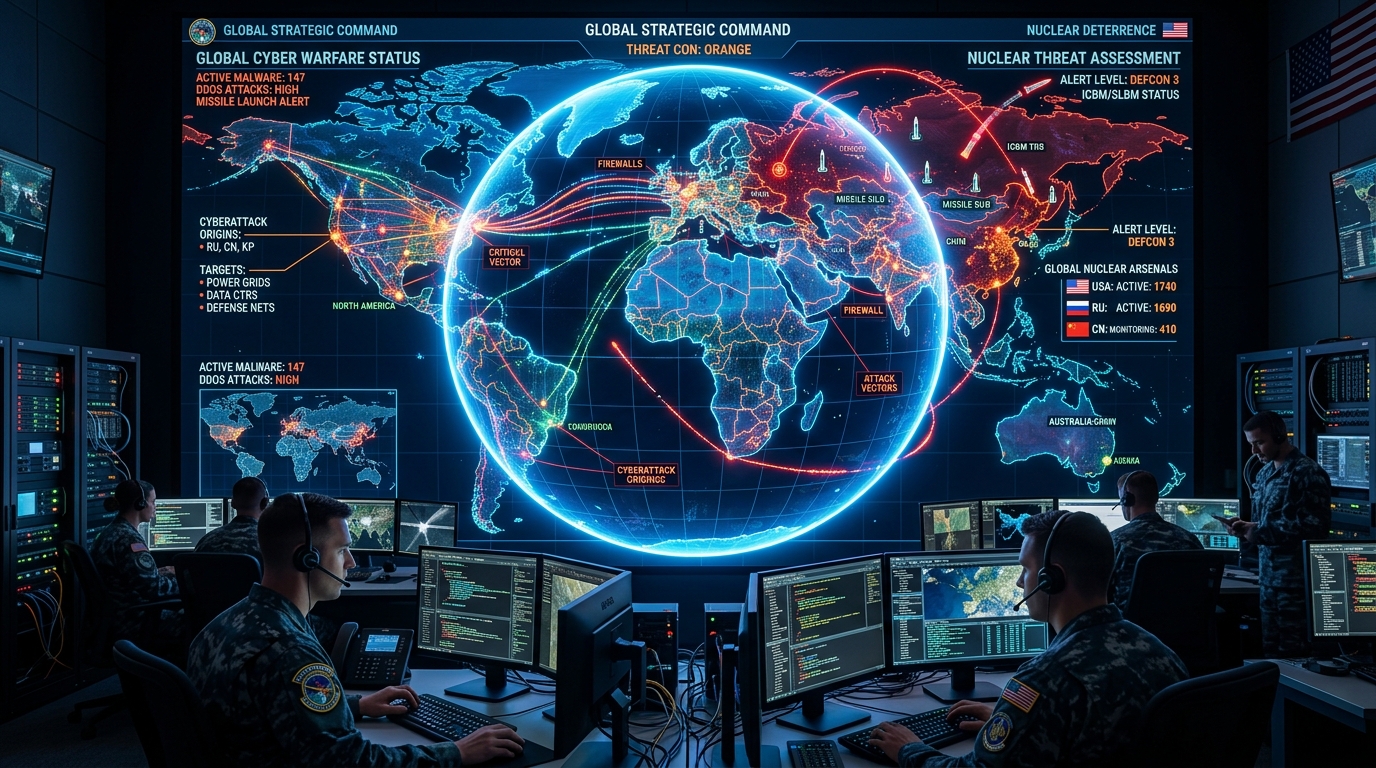
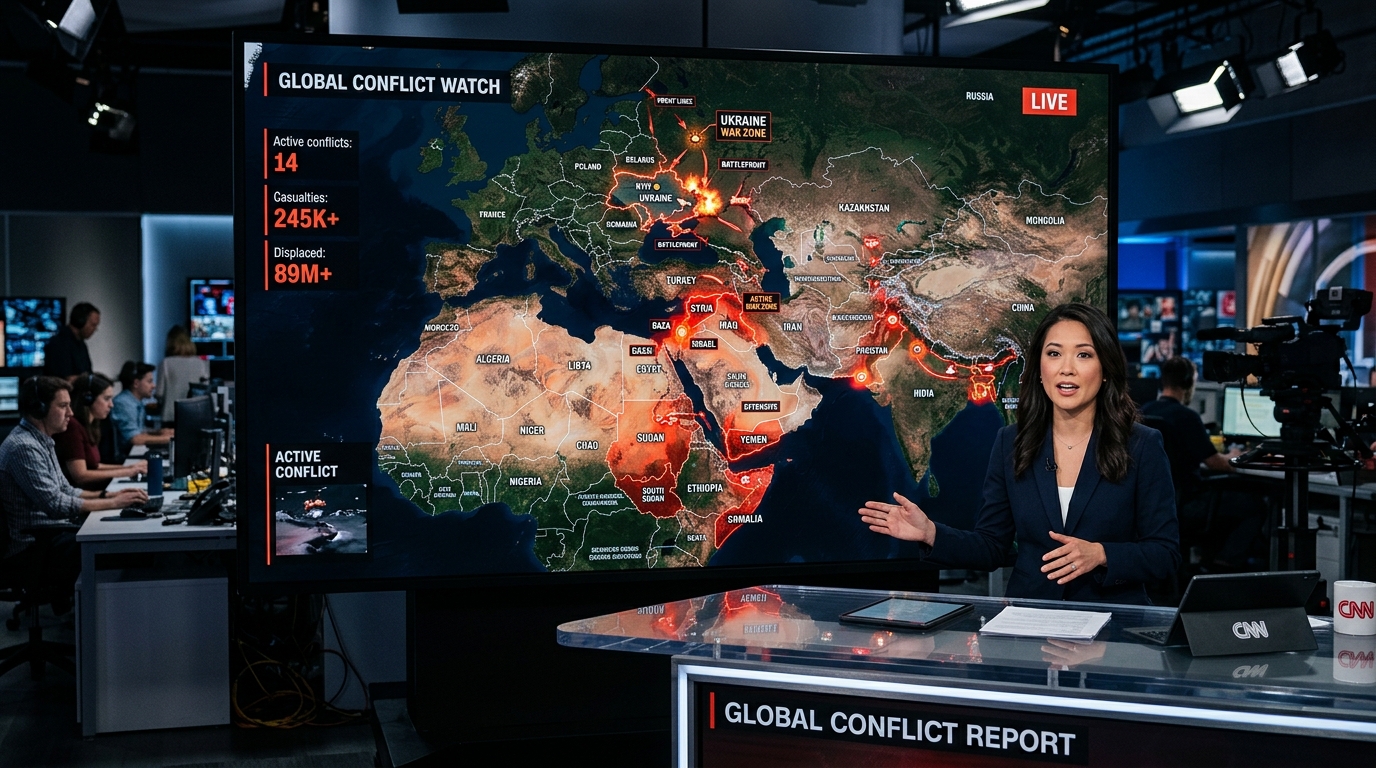
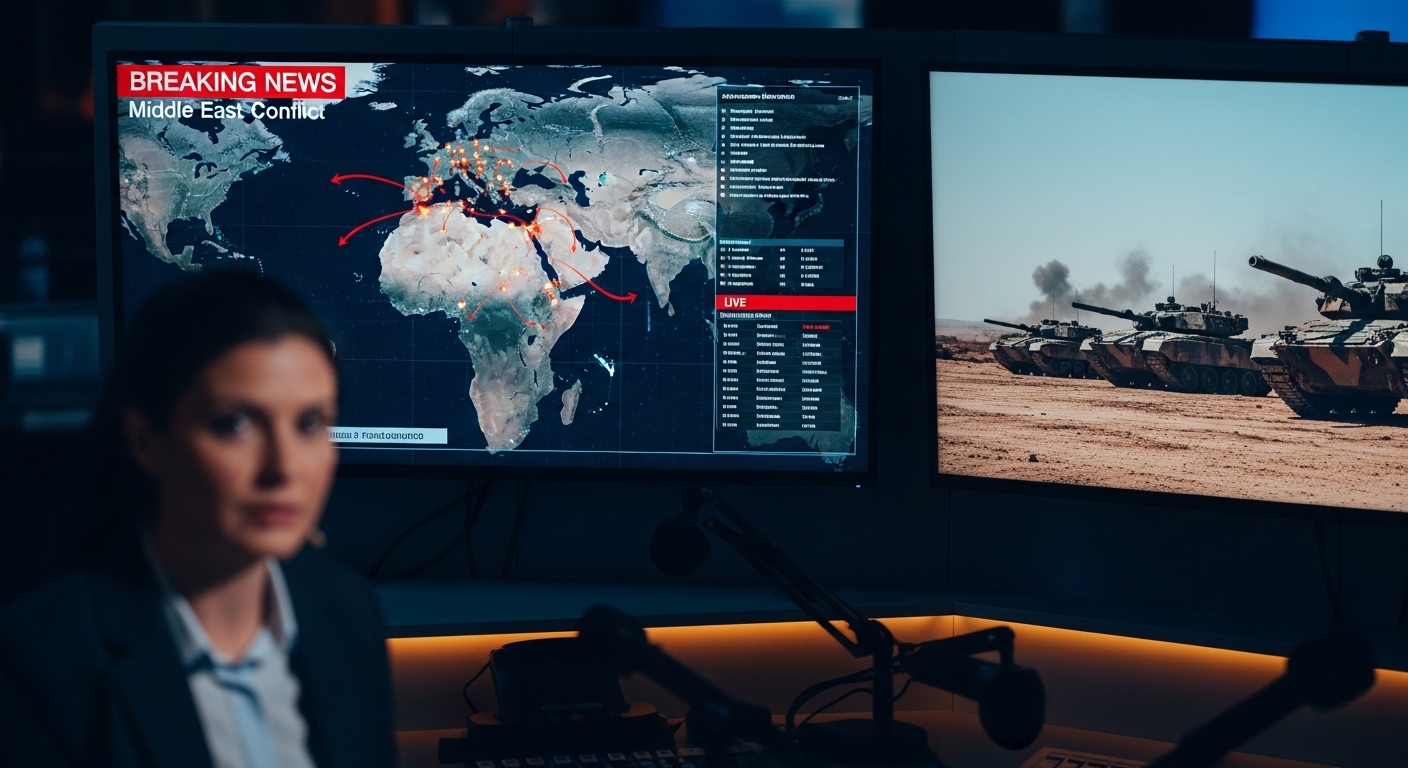
Rising tensions in the Middle East have become one of the most closely watched global developments in 2026, as growing military risks and diplomatic strain fuel concerns over wider regional instability. Governments around the world are closely monitoring developments as fears grow that escalating confrontation could trigger broader geopolitical consequences.
Security analysts warn that renewed tensions involving strategic regional actors could affect not only military stability but also global energy markets, international trade routes and diplomatic relations.
With emergency diplomacy efforts intensifying and markets reacting nervously, the situation has become a major focus in breaking world news.
Why Middle East Tensions Are Rising
Several factors are contributing to rising regional instability.
Key drivers include:
- Military escalations
- Border security incidents
- Strategic rivalries
- Maritime security concerns
- Proxy conflict risks
- Diplomatic breakdown fears
Analysts say the convergence of these risks has raised concerns over a wider regional crisis.
Strategic Importance of the Region
The Middle East remains one of the most strategically important regions in global politics.
Its importance includes:
- Global energy supply routes
- Major shipping corridors
- Regional military alliances
- International security interests
Because of this, even localized tensions often trigger global reactions.
Security Risks Raising Global Concern
Military Activity Increasing
Security observers have noted rising military activity in sensitive areas.
Concerns include:
- Increased deployments
- Airspace incidents
- Naval tensions
- Security alerts
Analysts warn that miscalculation risks can rise rapidly in such environments.
Risk of Wider Regional Conflict
A major concern is whether isolated tensions could widen.
Experts are watching whether pressure points could expand into broader confrontation.
Risks being discussed include:
- Regional spillover
- Proxy escalation
- Strategic retaliation risks
- Wider instability
While diplomacy continues, security risks remain elevated.
Global Powers Push Diplomacy
Emergency Diplomatic Efforts Underway
Major powers are increasing diplomatic engagement in an effort to reduce tensions.
Current focus includes:
- High-level negotiations
- Crisis communication channels
- De-escalation initiatives
- Regional mediation efforts
Diplomats say preventing escalation remains a priority.
International Calls for Restraint
Governments and international organizations have urged caution.
Statements have focused on:
- Avoiding military escalation
- Protecting regional stability
- Supporting diplomatic dialogue
Global pressure for restraint has intensified.
Oil Markets React to Tensions
Energy Markets Watching Closely
One major impact of rising tensions has been pressure on oil markets.
Traders are watching:
- Supply risks
- Shipping route security
- Export disruptions
- Price volatility
Because the region is central to global energy flows, geopolitical risk often affects oil prices quickly.
Risk to Shipping Routes
Security concerns involving major maritime corridors have also raised alarm.
Any disruption could affect:
- Global trade flows
- Energy shipments
- Freight costs
- Supply chains
That has increased economic concerns beyond the region.
Global Economic Implications
Markets Sensitive to Geopolitical Risk
Financial markets often react strongly to conflict risk.
Investors are watching:
- Oil price movements
- Safe haven demand
- Equity market volatility
- Currency reactions
Geopolitical uncertainty is increasingly influencing global financial sentiment.
Inflation Concerns Could Rise
Analysts warn prolonged tensions could contribute to inflation risks through:
- Higher energy prices
- Shipping disruptions
- Supply chain stress
That would add pressure to already fragile economic conditions.
Security Analysts Watching Key Scenarios
Experts are discussing several possible paths forward.
Scenario One: De-Escalation Through Diplomacy
Some believe diplomatic engagement could reduce tensions.
This would support:
- Market stabilization
- Regional security
- Reduced conflict risks
This remains the preferred outcome.
Scenario Two: Prolonged Standoff
Others warn tensions could remain elevated without major escalation.
This could create prolonged uncertainty.
Scenario Three: Wider Conflict Risk
Though many hope to avoid it, some analysts warn broader conflict risks cannot be ignored.
This is why diplomacy remains critical.
Impact on Global Politics
Strategic Alliances Under Focus
The crisis is also drawing attention to global alliances.
Countries are reassessing:
- Security commitments
- Diplomatic positioning
- Regional partnerships
Geopolitical calculations may shift depending on developments.

Global Security Debate Intensifies
The tensions have renewed debate over:
- Regional deterrence
- Security strategy
- Crisis prevention mechanisms
These discussions may shape future policy responses.
Why This Matters Beyond the Region
Middle East tensions have global consequences.
Potential impacts include:
- Energy market instability
- Trade disruption
- Financial volatility
- Security uncertainty
That is why developments are being watched far beyond the region.
How Markets Are Responding
Investors have increasingly moved toward caution.
Some reactions include:
- Demand for safe-haven assets
- Energy sector volatility
- Defensive investment strategies
Analysts say geopolitical risk is likely to remain a major market factor.
Expert Outlook for 2026
Security analysts say several factors may shape the outlook ahead:
- Diplomatic progress
- Military restraint
- Energy market stability
- Global political coordination
Much depends on whether diplomacy can reduce escalation risks.
For now, uncertainty remains high.
Why This Is One of the Biggest Stories of the Year
This crisis combines:
- Geopolitics
- Energy security
- Global economic risk
- Conflict concerns
That makes it one of the most significant world news stories of 2026.
Conclusion
Middle East tensions in 2026 have raised serious concerns over regional stability, global energy security and wider geopolitical risk. While diplomatic efforts continue and major powers push for de-escalation, uncertainty remains high.
Markets, governments and security analysts are watching closely as developments unfold.
Whether diplomacy succeeds or tensions deepen, the crisis is likely to remain one of the defining global stories of the year.
Frequently Asked Questions
Why are Middle East tensions rising in 2026?
Analysts point to military risks, strategic rivalries and regional instability as key drivers.
Could rising tensions affect oil prices?
Yes, geopolitical risks in the region often affect energy markets and global oil prices.
Is there risk of wider conflict?
Experts say diplomacy is aimed at preventing escalation, though risks remain under close watch.
How do these tensions affect the global economy?
They can influence trade, inflation, markets and energy security.
Why is this important globally?
Because developments in the region often have worldwide political and economic impact.