Global Food Crisis Warning in 2026 as Climate Shocks and Supply Disruptions Threaten Food Security
Introduction
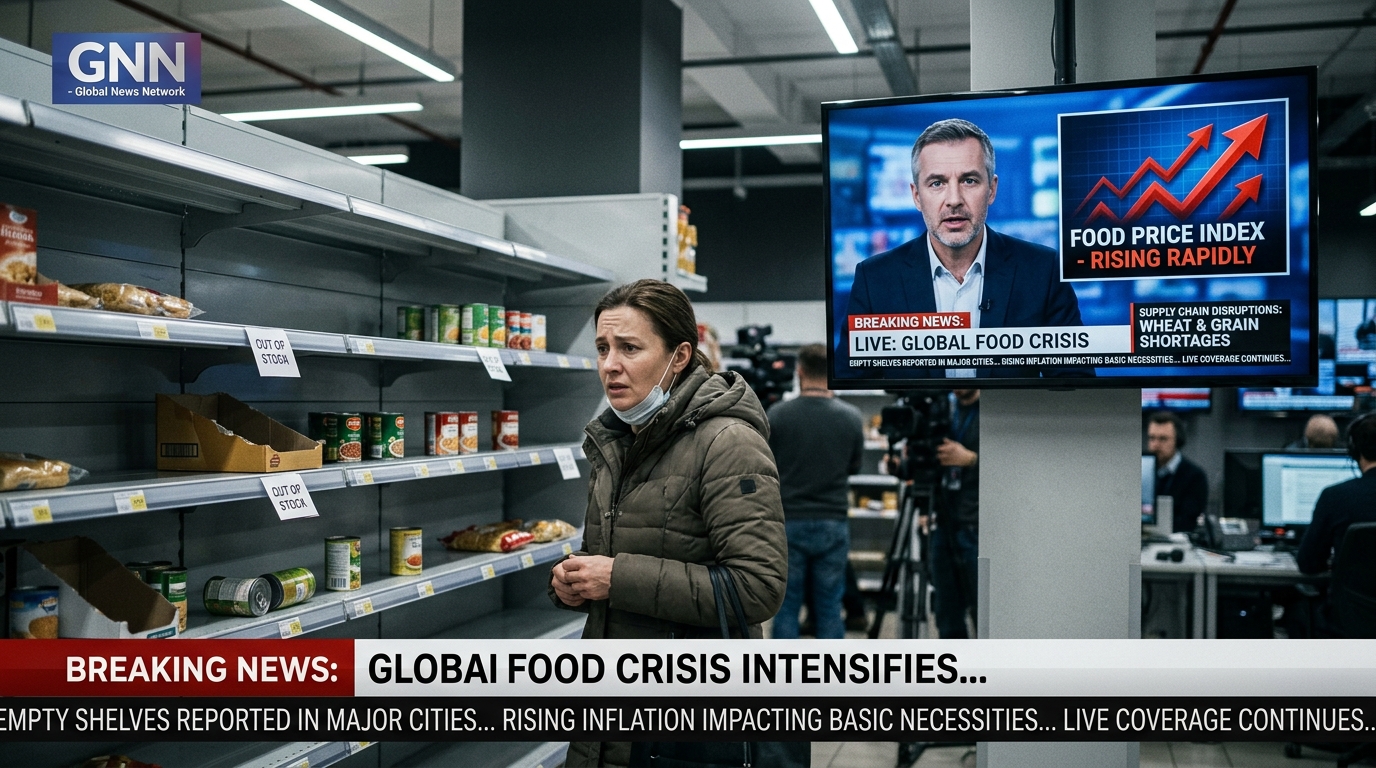
Fears of a global food crisis are rising in 2026 as climate shocks, supply chain disruptions and economic pressures threaten food security across multiple regions. Governments, humanitarian organizations and economists are warning that the combination of rising food prices, reduced agricultural output and logistical challenges could create serious risks for global stability.
From extreme weather events affecting crop production to rising transportation costs and trade restrictions, the global food system is under increasing strain. Analysts say the situation is particularly concerning for vulnerable populations, where food access is already limited.
With food prices climbing and supply concerns growing, the issue has quickly become one of the most critical global stories of the year.
Why Global Food Crisis Fears Are Rising
Several factors are driving concern over food security in 2026.
Key Drivers
- Climate change impacts
- Extreme weather events
- Supply chain disruptions
- Rising energy and fertilizer costs
- Trade restrictions
- Economic instability
Experts warn that these factors are combining to create serious risks.
Climate Change Disrupting Agriculture
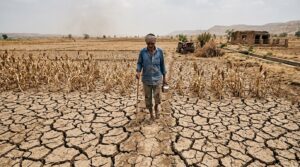
Climate-related events are significantly affecting food production.
Major impacts include:
- Droughts reducing crop yields
- Floods damaging farmland
- Heatwaves affecting productivity
- Unpredictable weather patterns
These conditions are making agriculture less stable.
Rising Costs Affecting Food Production
Farmers are facing higher costs across the board.
Key expenses include:
- Fuel prices
- Fertilizer costs
- Transportation expenses
- Labor costs
Higher production costs often lead to higher food prices.
Global Food Prices Continue to Rise
Inflation in Food Markets
Food inflation remains a major concern.
Price increases are being seen in:
- Grains and cereals
- Meat and dairy products
- Fruits and vegetables
- Cooking oils
This is affecting both developed and developing countries.
Impact on Consumers
Higher food prices are placing pressure on households.
Consumers are experiencing:
- Increased grocery bills
- Reduced food affordability
- Changes in consumption habits
Lower-income populations are the most affected.
Supply Chain Disruptions Affect Availability
Logistics Challenges Continue
Global food supply chains are still facing disruptions.
Issues include:
- Shipping delays
- Port congestion
- Transportation bottlenecks
These problems affect food distribution worldwide.
Trade Restrictions Add Pressure
Some countries are implementing export controls to protect domestic supply.
This can:
- Reduce global availability
- Increase prices
- Create market uncertainty
Trade policies are playing a key role.
Impact on Developing Countries
Food Insecurity Risks Increase
Developing nations face the highest risk of food shortages.
Challenges include:
- Limited access to imports
- Currency weakness
- High dependency on food imports
This increases vulnerability to crisis conditions.
Humanitarian Concerns Grow
Food shortages can lead to:
- Malnutrition
- Social unrest
- Migration pressures
International organizations are raising concerns.
Agriculture Sector Under Pressure
Farmers Facing Uncertainty
Farmers are dealing with multiple challenges:
- Weather unpredictability
- Rising input costs
- Market volatility
This creates uncertainty in production planning.
Need for Sustainable Farming
Experts emphasize the need for:
- Climate-resilient crops
- Efficient water use
- Sustainable farming practices
Long-term solutions are becoming critical.
Global Economic Impact
Inflation and Growth Risks
Food prices are a major part of overall inflation.
Higher food costs can:
- Reduce consumer spending
- Increase poverty levels
- Slow economic growth
This has wider economic implications.
Trade and Market Effects
Food supply disruptions can affect:
- Global trade flows
- Commodity markets
- Investment in agriculture
Markets are sensitive to food supply news.
Government and Policy Responses
Measures to Stabilize Food Supply
Governments are taking steps to manage the situation.
Possible actions include:
- Subsidies for farmers
- Price controls
- Strategic food reserves
- Import policies
These measures aim to reduce pressure.
International Cooperation Needed
Experts stress the importance of global cooperation.
This includes:
- Coordinated trade policies
- Humanitarian aid
- Agricultural support programs
Global coordination is essential.
Possible Scenarios for 2026
Scenario One: Stabilization
Improved weather and supply conditions reduce pressure.
Scenario Two: Continued Strain
Food prices remain high with ongoing supply challenges.
Scenario Three: Severe Food Crisis
Extreme conditions lead to widespread shortages.
This is a major concern.

Why This Is One of the Biggest Stories of the Year
The food crisis affects:
- Human survival
- Economic stability
- Political conditions
That makes it one of the most critical global issues.
Expert Outlook
Analysts expect food security to remain a key issue.
Factors to watch:
- Climate conditions
- Crop production
- Trade policies
- Energy prices
The situation remains uncertain.
Conclusion
The global food crisis warning in 2026 highlights the growing pressure on food systems worldwide. Climate shocks, rising costs and supply disruptions are combining to create serious challenges for governments, businesses and consumers.
While efforts are being made to stabilize the situation, risks remain high—especially for vulnerable populations.
Food security will continue to be one of the most important global challenges in the years ahead.
Frequently Asked Questions
Why is there a food crisis in 2026?
Due to climate change, rising costs and supply disruptions.
How does it affect people?
It increases food prices and reduces access to basic nutrition.
Which countries are most affected?
Developing nations with limited resources are most vulnerable.
Can the crisis be prevented?
With global cooperation and sustainable policies, risks can be reduced.
Why is food security important?
Because it affects health, stability and economic growth.