Global Housing Market Crisis Deepens in 2026 as Home Prices and Rent Costs Become Unaffordable
Introduction
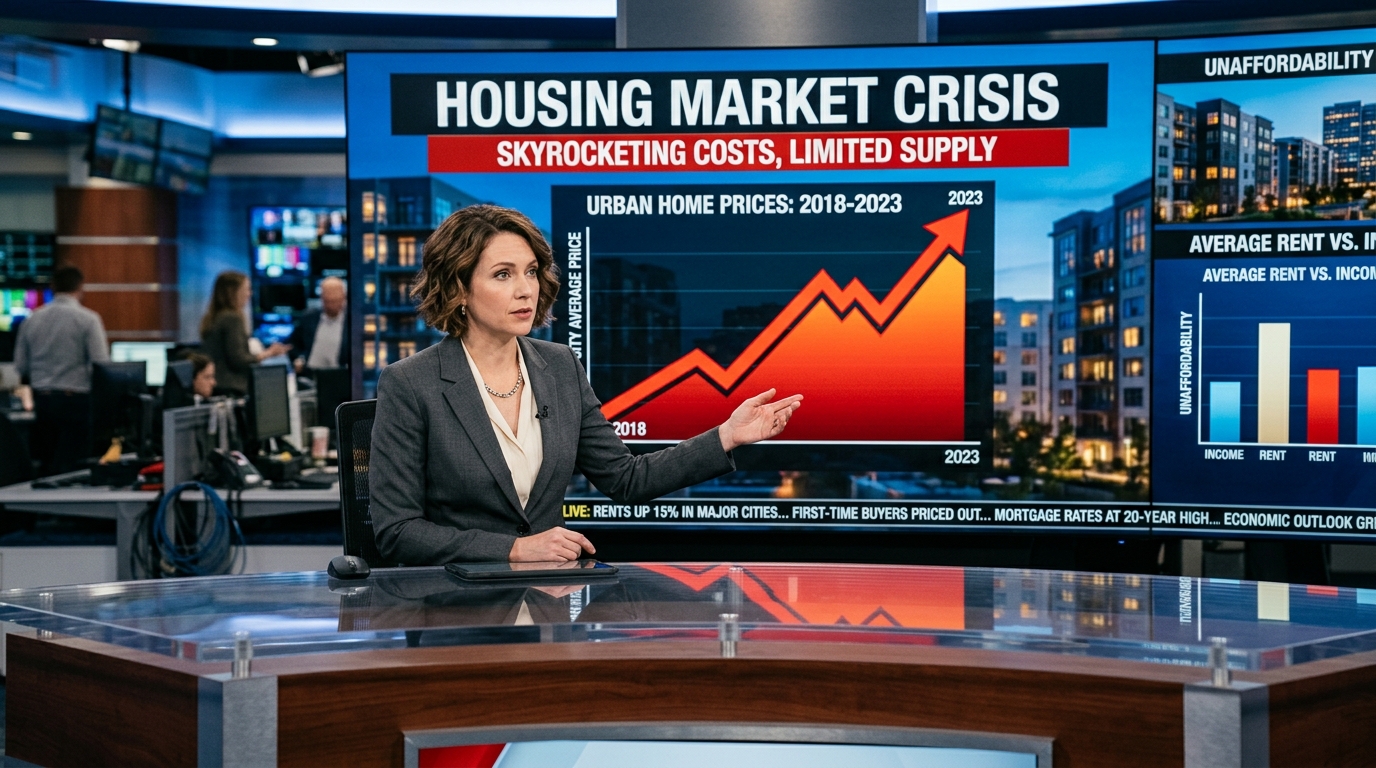
For millions of people around the world, owning a home is starting to feel less like a life goal and more like an impossible dream. In 2026, the global housing market is facing one of its most difficult periods in decades as property prices continue to rise while wages struggle to keep pace.
At the same time, rental costs are surging in major cities, putting pressure on middle-class families, students and young professionals. What was once considered a temporary affordability problem has now turned into a long-term global crisis affecting both developed and developing economies.
From North America and Europe to Asia and other rapidly growing regions, housing affordability has become a major political and economic issue. Governments are under pressure, real estate markets are changing rapidly and millions of people are questioning what the future of housing will look like.
Why the Housing Market Crisis Is Getting Worse in 2026
The housing crisis did not happen overnight. Experts say several factors have been building over the past few years, creating a perfect storm for buyers and renters alike.
Main Reasons Behind the Crisis
- Rising interest rates
- Limited housing supply
- Population growth in urban areas
- Inflation and higher construction costs
- Real estate investment speculation
- Wage growth failing to match housing prices
Together, these factors have pushed housing costs to record levels in many parts of the world.
Mortgage Rates Are Making Homes Harder to Buy
One of the biggest problems facing buyers today is the sharp increase in mortgage rates.
Just a few years ago, low interest rates made borrowing relatively affordable. But as central banks raised rates to fight inflation, monthly mortgage payments increased significantly.
This means:
- Buyers qualify for smaller loans
- Monthly payments become more expensive
- Fewer people can afford homes
For many first-time buyers, entering the property market now feels almost impossible.

Rising Rent Prices Are Creating Financial Pressure
Rent Inflation Hitting Major Cities
Even people who are not trying to buy homes are struggling.
Rental prices have risen sharply in many cities due to:
- High demand for housing
- Limited apartment availability
- Rising property management costs
In some areas, rent increases have outpaced salary growth by a huge margin.
Young People Are Being Hit the Hardest
Young professionals and students are among the most affected groups.
Many are forced to:
- Share apartments with multiple roommates
- Move farther away from city centers
- Delay marriage or family plans
- Spend most of their income on rent
The cost of housing is changing life decisions for an entire generation.
Why Housing Supply Cannot Keep Up
Construction Costs Continue to Rise
Building new homes has become more expensive in recent years.
Developers are facing higher costs for:
- Construction materials
- Labor
- Land prices
- Financing
As a result, fewer affordable housing projects are being completed.
Urban Population Growth
Cities continue to attract people because of:
- Better job opportunities
- Education
- Healthcare and infrastructure
However, housing development is not keeping pace with population growth.
This imbalance is pushing prices even higher.
Investors and Real Estate Speculation
Housing as an Investment Asset
Real estate is increasingly being treated as an investment rather than simply a place to live.
Large investors are buying properties to:
- Rent them out
- Sell later for profit
- Build real estate portfolios
Critics argue this trend reduces housing availability for ordinary buyers.
Luxury Development vs Affordable Housing
In many cities, developers focus more on luxury apartments than affordable homes because profits are higher.
This creates a situation where:
- High-end properties increase
- Affordable housing remains limited
As a result, average citizens struggle to find reasonable options.
Economic Impact of the Housing Crisis
Consumer Spending Is Slowing
When people spend most of their income on housing, they have less money for other things.
This affects:
- Retail businesses
- Restaurants
- Travel and entertainment
Housing costs can slow broader economic growth.
Rising Household Debt
To manage housing expenses, many families are taking on larger debts.
This includes:
- Mortgages
- Credit card debt
- Personal loans
Financial pressure is increasing in many households.
Social Impact of Unaffordable Housing
Mental Stress and Anxiety
Housing instability creates emotional stress.
People worry about:
- Paying rent
- Losing homes
- Financial security
Mental health experts say housing uncertainty is becoming a major social issue.
Delayed Life Milestones
Because housing is expensive, many people are delaying important life decisions.
These include:
- Marriage
- Having children
- Starting businesses
The housing crisis is reshaping modern lifestyles.
Governments Under Pressure to Act
Calls for Housing Reform
Citizens in many countries are demanding stronger action from governments.
Common proposals include:
- Rent control policies
- Affordable housing projects
- Tax reforms on property investors
- Lower-cost mortgage programs
Housing affordability has become a major political issue.
Debate Over Rent Controls
Some governments are considering rent caps to protect tenants.
Supporters say rent controls help families survive. Critics argue they can discourage investment and reduce housing supply.
The debate remains controversial.
Is a Housing Market Crash Possible?
Fear of Real Estate Correction
Some analysts believe housing prices may eventually decline.
Reasons include:
- High mortgage rates
- Weak buyer demand
- Economic slowdown fears
However, others argue housing shortages may keep prices elevated.
Different Markets, Different Outcomes
Not all countries are experiencing the same conditions.
Some markets may see:
- Price stabilization
- Mild corrections
- Continued growth in major cities
Local economic conditions matter greatly.

Technology Changing Real Estate
Digital Property Platforms
Technology is transforming the housing market.
Buyers now use:
- Virtual property tours
- AI-based price analysis
- Online mortgage platforms
Real estate is becoming increasingly digital.
Remote Work Shifting Housing Demand
Remote work trends continue to reshape housing preferences.
Many people are moving toward:
- Smaller cities
- Suburban areas
- More affordable regions
This is changing real estate patterns globally.
Why This Topic Is Trending Worldwide
Housing affects nearly everyone.
People are searching for information about:
- Rising rent prices
- Mortgage rates
- Home affordability
- Property market trends
That is why housing market news continues to trend across search engines and social media platforms.
Expert Outlook for 2026 and Beyond
Experts believe the housing market will remain under pressure in the near future.
Key things to watch include:
- Interest rate changes
- Inflation trends
- Government housing policies
- Construction activity
The next few years could determine the long-term direction of global real estate markets.
Could the Crisis Improve?
Possible Positive Scenarios
There are signs that conditions could eventually stabilize if:
- Inflation slows down
- Mortgage rates decrease
- More housing projects are completed
However, recovery may take time.
Conclusion
The global housing market crisis in 2026 has become much more than a real estate issue. It is now affecting economies, politics, mental health and the future plans of millions of people worldwide.
Rising property prices, expensive rent and high mortgage costs are creating financial pressure across all income levels. While governments and central banks are attempting to respond, the scale of the problem means solutions will likely take years.
For many people, the dream of affordable housing feels increasingly distant. Whether the coming years bring relief or deeper challenges will depend on economic conditions, housing policies and how quickly supply can catch up with demand.
One thing is certain: housing affordability will remain one of the most important global issues of this decade.
Frequently Asked Questions
Why is housing becoming unaffordable in 2026?
Due to high mortgage rates, low housing supply and rising demand.
Why are rents increasing so quickly?
Because housing demand is growing faster than supply in many cities.
Could house prices fall?
Some markets may see corrections, but outcomes will vary by region.
How does the housing crisis affect young people?
It delays financial independence, homeownership and family planning.
Why is this topic trending globally?
Because rising housing costs are affecting millions of people worldwide.