World War 3 Concerns Intensify in 2026 as Rising Global Conflicts and Military Build-Ups Fuel Uncertainty
Introduction
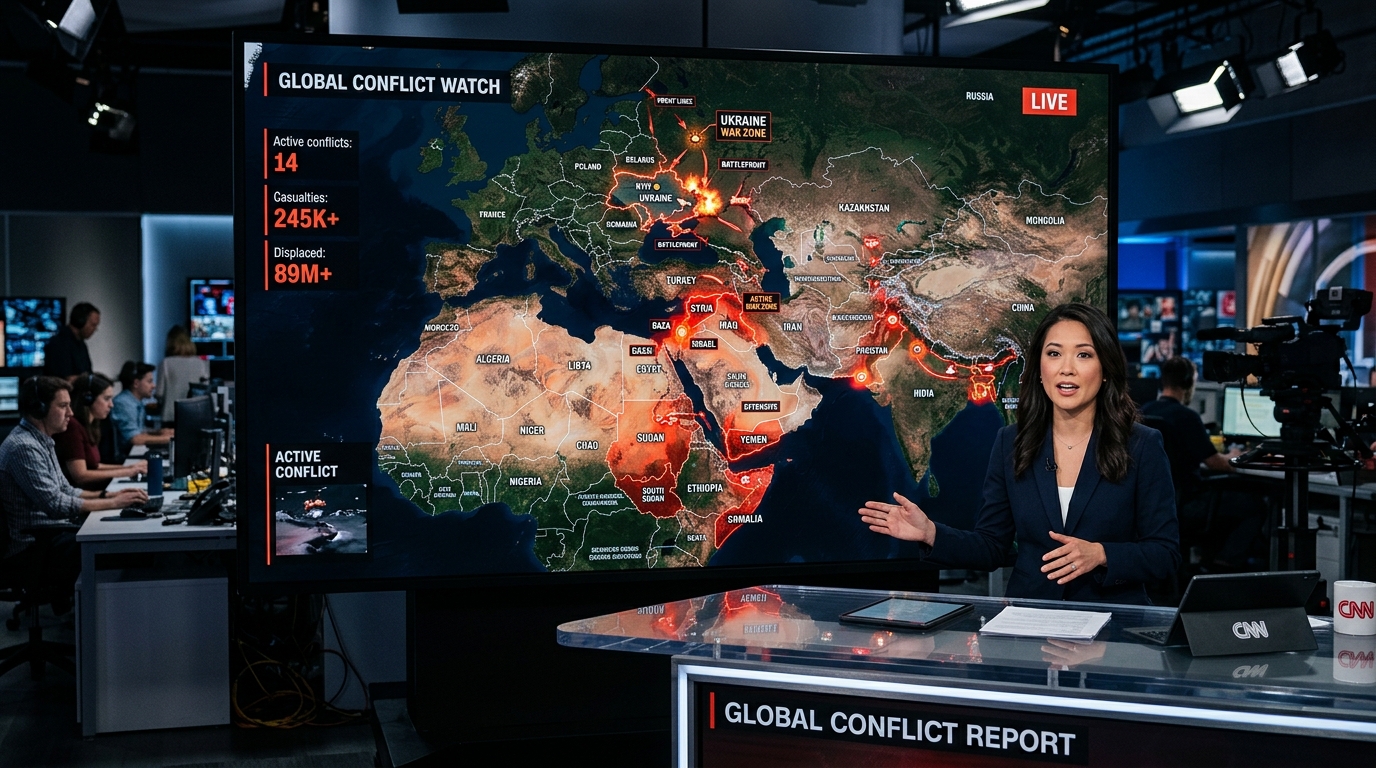
In 2026, global security concerns have entered a new and uneasy phase. Discussions about the possibility of a large-scale international conflict—often referred to as World War 3—are no longer limited to speculation or fringe debates. Instead, they have become part of mainstream geopolitical analysis as tensions rise across multiple regions.
A combination of escalating regional conflicts, increased military spending, and growing strategic rivalries among major world powers has created a fragile global environment. While a full-scale world war is not inevitable, experts agree that the risk landscape is more complex and unpredictable than it has been in years.
The modern world is deeply interconnected—economically, politically, and technologically. This means that even localized conflicts can have global consequences. In such an environment, understanding the factors driving these tensions is critical.
Why Global War Concerns Are Rising in 2026
A Convergence of Multiple Risk Factors
A single issue does not drive the current rise in global tension, but rather a combination of overlapping risks.
Key contributing factors include:
- Escalating regional conflicts
- Military expansion by major powers
- Strategic and ideological rivalries
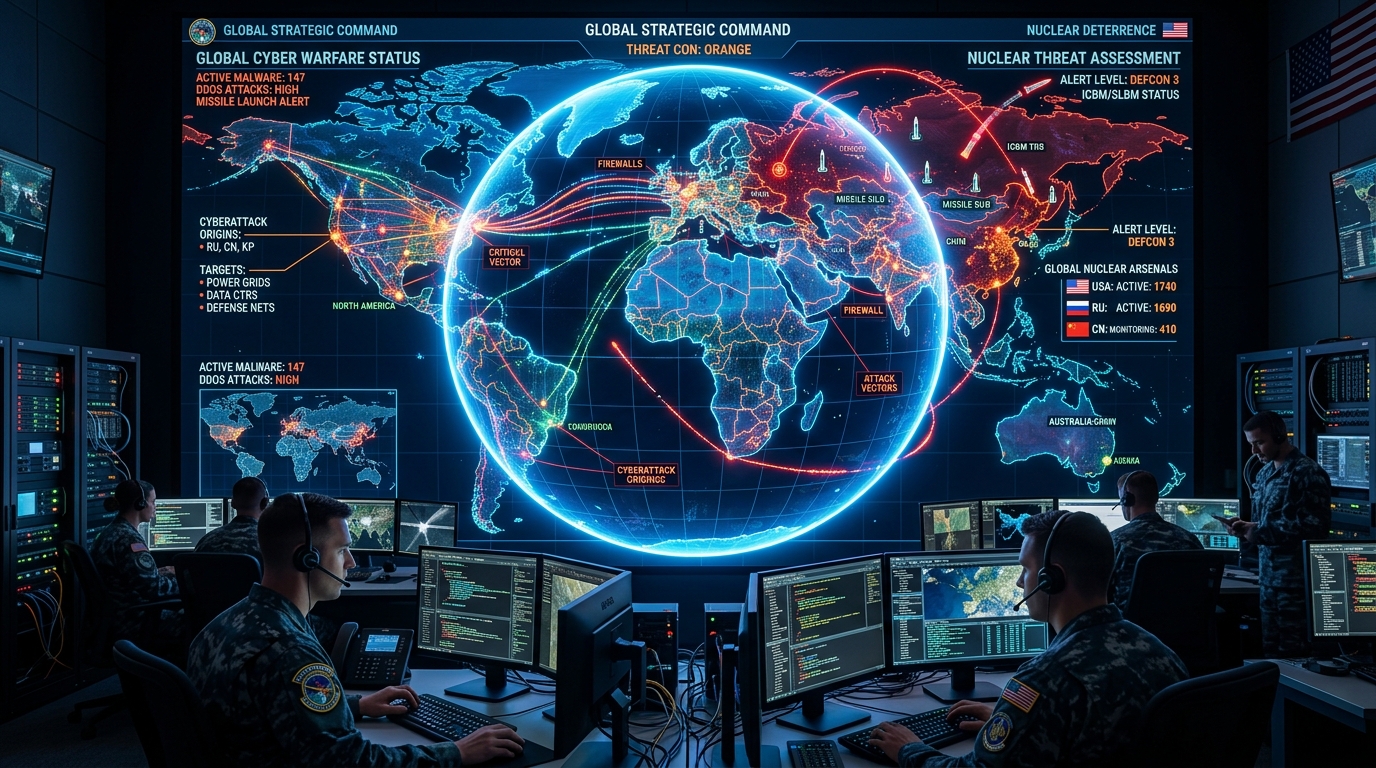
- Cyber warfare capabilities
- Nuclear deterrence dynamics
- Political instability in various regions
When these risks converge, they increase the likelihood of miscalculation or unintended escalation.
The Role of Strategic Competition
Major powers are increasingly competing for influence on the global stage. This competition is not only military but also economic and technological.
Areas of rivalry include:
- Control over key trade routes
- Technological leadership (AI, defense systems)
- Access to natural resources
- Political influence in developing regions
Such competition can create tension even in the absence of direct conflict.
Military Build-Up and Defense Spending
Rising Defense Budgets Worldwide
One of the most visible signs of rising tension is the increase in global military spending.
Countries are investing heavily in:
- Advanced weapons systems
- Naval and air force expansion
- Missile defense technology
- Cybersecurity infrastructure
- Artificial intelligence for military use
This trend reflects a growing emphasis on preparedness and deterrence.
The Security Dilemma
As one country increases its military capabilities, others may feel threatened and respond by doing the same.
This creates a cycle known as the “security dilemma,” where:
- Defensive actions by one nation appear aggressive to another
- Mutual distrust increases
- Tensions escalate
This cycle can make conflict more likely even if no country intends to start a war.
Regional Conflicts as Potential Flashpoints
Ongoing Conflicts with Global Implications
Several regions remain unstable due to ongoing conflicts.
These conflicts:
- Involve multiple stakeholders
- Attract international attention
- Risk of drawing in additional powers
While these conflicts may appear localized, they can have wider consequences.
High-Risk Flashpoints
Certain areas are considered particularly sensitive due to their strategic importance.
These include:
- Border disputes between rival nations
- Maritime conflicts over trade routes
- Regions with political instability and weak governance
Any escalation in these areas could trigger broader international involvement.
Nuclear Weapons and Strategic Stability
Deterrence vs Risk
Nuclear weapons play a complex role in global security.
On one hand, they act as a deterrent, discouraging direct conflict between major powers. On the other hand, they introduce significant risks.
Potential dangers include:
- Accidental launches
- Misinterpretation of military actions
- Escalation during crises
The presence of nuclear weapons raises the stakes of any conflict.
Modernization of Nuclear Arsenals
Many countries are upgrading their nuclear capabilities.
This includes:
- More precise missile systems
- Faster delivery technologies
- Improved defense mechanisms
While modernization aims to maintain deterrence, it also contributes to an arms race.
The Rise of Cyber Warfare
A New Battlefield
In 2026, warfare is no longer confined to land, sea and air. The digital domain has become a critical battlefield.
Cyber attacks can target:
- Government infrastructure
- Financial systems
- Energy grids
- Communication networks
These attacks can disrupt entire economies without a single shot being fired.
Difficulty in Attribution
One of the challenges with cyber warfare is identifying the attacker.
This creates:
- Uncertainty in response
- Risk of miscalculation
- Potential for escalation
Cyber conflict adds a layer of complexity to global tensions.
Technology Transforming Modern Warfare
Artificial Intelligence in Defense
AI is playing an increasingly important role in military strategy.
Applications include:
- Autonomous drones
- Predictive analytics
- Real-time battlefield decision-making
While these technologies improve efficiency, they also raise ethical and strategic concerns.
Autonomous Weapons Debate
The development of autonomous weapons has sparked global debate.
Concerns include:
- Lack of human control
- Risk of unintended actions
- Ethical implications
This is one of the most controversial areas in modern defense policy.
Economic Consequences of War Fears
Market Volatility
Financial markets are highly sensitive to geopolitical risks.
War fears can lead to:
- Stock market fluctuations
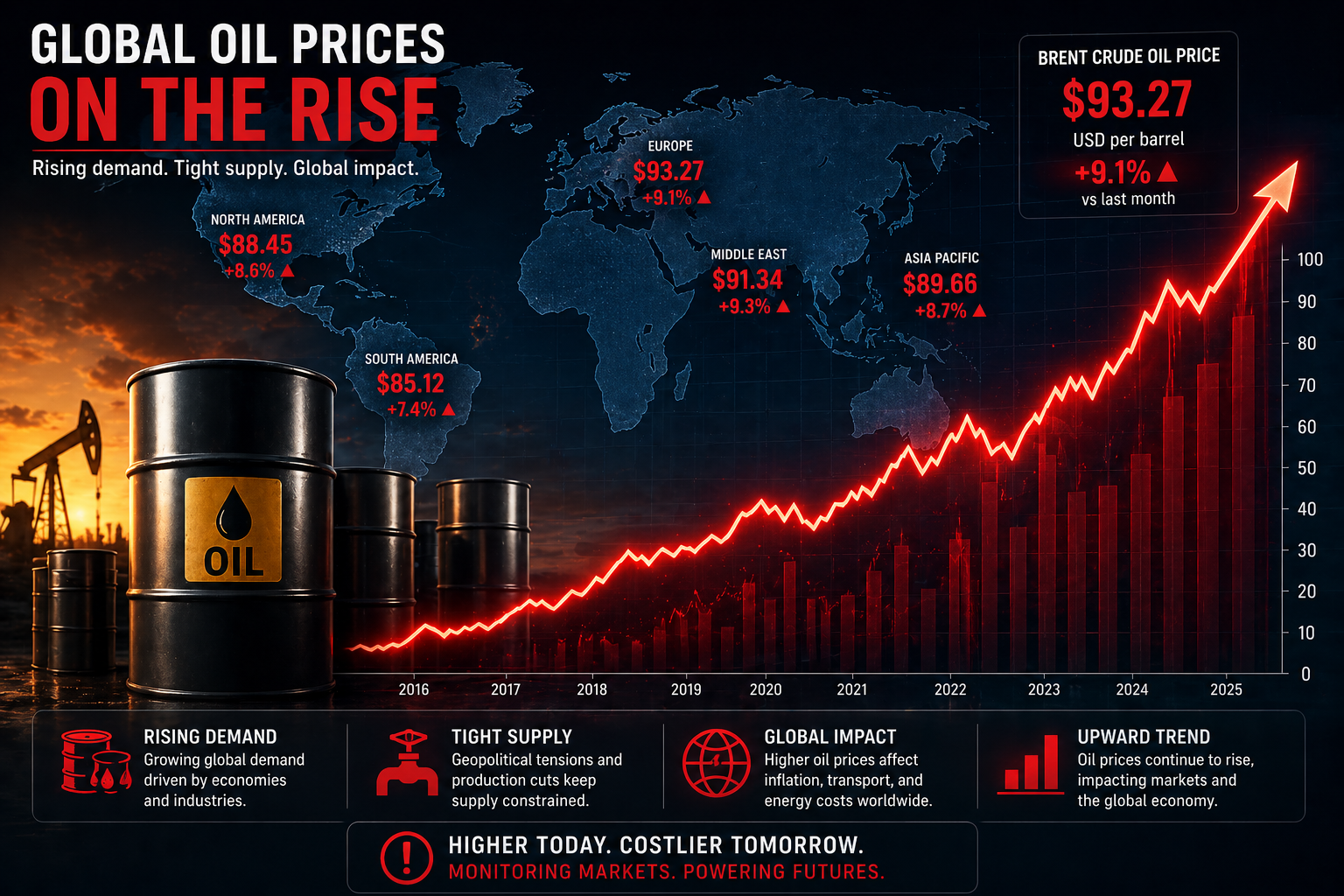
- Changes in commodity prices
- Investor uncertainty
Economic stability is closely linked to global security.
Disruption of Global Trade
Conflict risks can disrupt international trade systems.
Possible impacts include:
- Supply chain interruptions
- Increased transportation costs
- Trade restrictions
This can affect economies worldwide.
Diplomatic Efforts to Prevent Conflict
Importance of Dialogue
Diplomacy remains the most effective tool for preventing large-scale conflict.
Efforts include:
- Peace negotiations
- Conflict mediation
- International summits
Communication between nations is critical.
Role of Global Institutions
International organizations play a key role in maintaining stability.
They work to:
- Facilitate dialogue
- Monitor conflicts
- Support peacekeeping missions
However, their effectiveness depends on cooperation from member states.
The Power of Alliances
Strategic Partnerships
Alliances are a major factor in global security.
They provide:
- Collective defense
- Military cooperation
- Strategic support
Strong alliances can deter aggression.
Risk of Escalation
At the same time, alliances can also increase risk.
If one member is involved in a conflict:
- Others may be drawn in
- Local conflicts can become global
This makes alliances both a strength and a risk factor.
Public Perception and Media Influence
Growing Public Awareness
People around the world are increasingly aware of global tensions.
Media coverage and social platforms amplify:
- Conflict news
- Political statements
- Military developments
This influences public perception and sentiment.
The Role of Information
Accurate information is crucial during times of tension.
Misinformation can:
- Increase panic
- Mislead decision-making
- Escalate situations
Responsible reporting is essential.
Possible Future Scenarios
Scenario One: De-escalation and Stability
Diplomatic efforts succeed in reducing tensions and maintaining peace.
Scenario Two: Prolonged Global Tension
Conflicts continue without escalating into a full-scale war.
Scenario Three: Large-Scale International Conflict
Escalation leads to involvement of multiple global powers.
This remains the most concerning possibility.
Expert Outlook
Most analysts agree that while the risk of a major global conflict exists, it is not inevitable.
The future will depend on:
- Political leadership decisions
- Strength of diplomatic efforts
- Military strategies
- Global cooperation
Careful management of tensions is key.
Impact on Everyday Life
Economic and Social Effects
Even without war, rising tensions can affect daily life.
People may experience:
- Higher living costs
- Economic uncertainty
- Increased anxiety
Global stability has a direct impact on individuals.
Preparedness and Policy Planning
Governments may focus more on:
- National defense
- Emergency preparedness
- Strategic planning
This shapes long-term policies.
Why This Topic Is Trending in 2026
The idea of a global conflict captures widespread attention because it involves:
- Human safety
- Economic stability
- Political power
- Global future
It is one of the most searched and discussed topics worldwide.
Conclusion
The growing concerns about World War 3 in 2026 reflect a complex and evolving global security landscape. Rising tensions, military expansion, and geopolitical competition are creating an environment where risks cannot be ignored.
However, history has shown that diplomacy, cooperation, and careful decision-making can prevent even the most serious conflicts. While the possibility of a large-scale war remains a concern, it is not a predetermined outcome.
The world stands at a critical point where the choices made by leaders and nations will shape the future of global stability. Whether the coming years bring conflict or cooperation will depend on how these challenges are managed.
Frequently Asked Questions
Is World War 3 likely to happen?
There is risk, but experts say it is not certain and can be prevented.
What increases the risk of global war?
Geopolitical tensions, military build-up, and strategic rivalries.
How can global conflict be avoided?
Through diplomacy, cooperation, and effective communication.
Why are people talking about this in 2026?
Because global tensions and conflicts are increasing.
What role does technology play in modern warfare?
Technology like AI and cyber systems is transforming how wars are fought.
One thought on “World War 3 Fears Rise in 2026 as Global Conflicts and Military Tensions Escalate”