Global Currency Volatility Surges in 2026 as Dollar Strength and Economic Uncertainty Shake Markets
Introduction
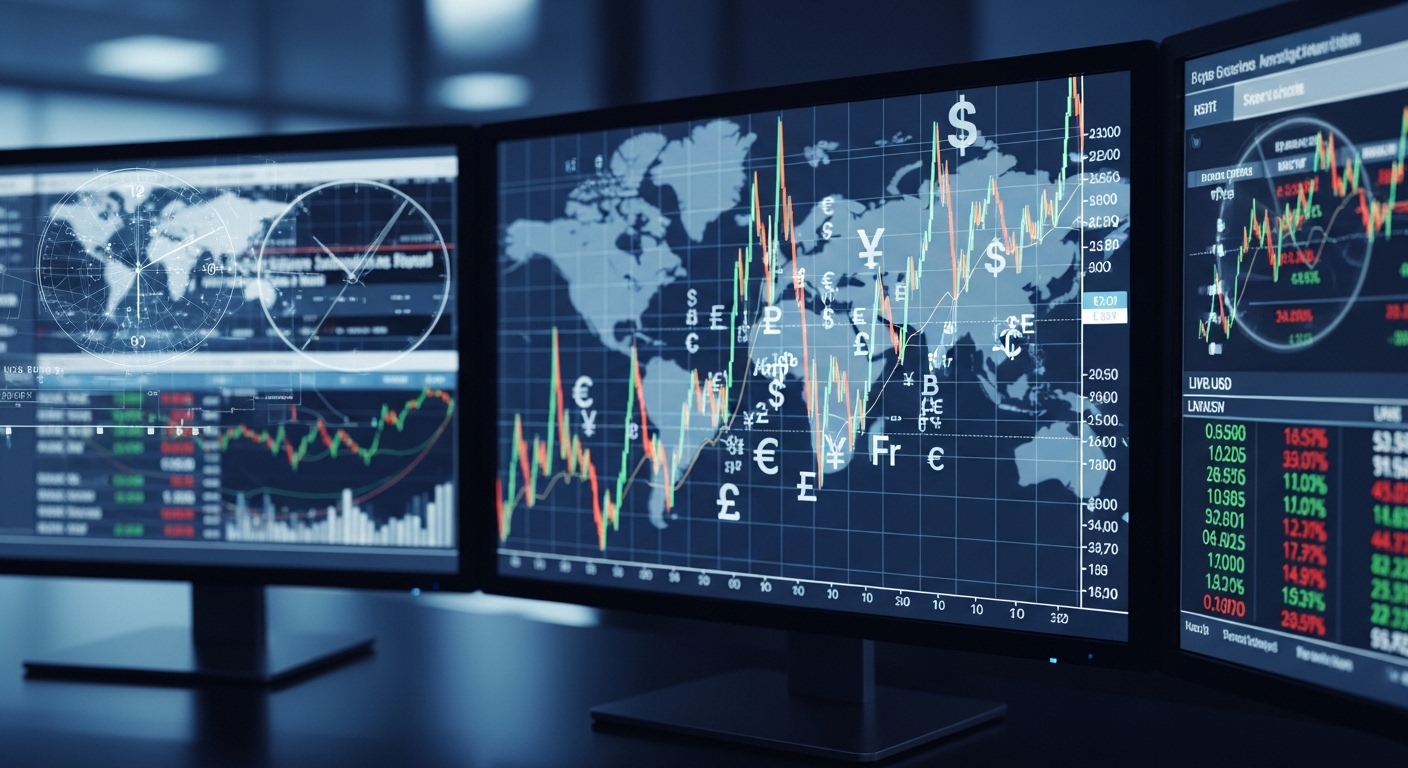
Global currency markets are experiencing heightened volatility in 2026 as economic uncertainty, inflation pressures, and shifting monetary policies drive sharp movements in exchange rates. The strength of the US dollar, combined with uneven global recovery and geopolitical risks, has created a challenging environment for both developed and emerging economies.
Investors, central banks, and governments are closely monitoring currency fluctuations as they impact trade balances, inflation, and financial stability. Sudden exchange rate swings are affecting global markets, increasing uncertainty and influencing economic decision-making worldwide.
With forex markets reacting rapidly to economic data and policy signals, currency volatility has become one of the most important financial stories of the year.
Why Currency Volatility Is Rising in 2026
Several major factors are driving increased instability in currency markets.
Key drivers include:
- Strong US dollar performance
- Interest rate differences between countries
- Inflation disparities
- Global economic uncertainty
- Capital flow shifts
- Geopolitical tensions
Analysts say these factors are creating unpredictable movements across global currencies.
Dollar Strength Dominating Global Markets
One of the most significant trends in 2026 is the continued strength of the US dollar.
A stronger dollar affects global markets by:
- Increasing import costs for other countries
- Pressuring emerging market currencies
- Influencing global trade balances
- Impacting commodity prices
Many currencies have weakened against the dollar, creating economic challenges for multiple regions.
Interest Rate Policies Driving Exchange Rates
Central banks play a major role in currency movements.
Interest rate differences between countries are influencing capital flows.
Higher interest rates often attract investment, strengthening a currency.
Lower rates can weaken a currency by reducing returns for investors.
This dynamic has increased volatility in forex markets.

Impact on Emerging Markets
Currency Pressure on Developing Economies
Emerging markets are particularly vulnerable to currency volatility.
Key challenges include:
- Currency depreciation
- Rising import costs
- External debt pressure
- Capital outflows
A weaker currency can increase inflation and financial instability.
Debt Risks Increase
Many developing countries hold debt in foreign currencies.
Currency depreciation makes repayment more expensive.
This increases:
- Financial risk
- Budget pressure
- Economic vulnerability
Analysts warn this could become a major concern if volatility continues.
Impact on Global Trade
Exchange Rates Affect Trade Flows
Currency movements directly influence international trade.
A weaker currency can:
- Boost exports
- Increase import costs
A stronger currency can:
- Make exports more expensive
- Reduce import costs
This creates complex effects on global trade balances.
Supply Chain and Pricing Impact
Currency volatility also affects:
- Product pricing
- Supply chain costs
- International contracts
Businesses must adjust strategies to manage currency risk.
Financial Markets React to Currency Swings
Investors Monitoring Forex Trends
Currency volatility is closely watched by global investors.
Key areas of focus include:
- Central bank policies
- Inflation data
- Economic growth indicators
- Geopolitical developments
Forex movements often signal broader economic trends.
Market Volatility Increases
Currency fluctuations can lead to:
- Stock market instability
- Bond market shifts
- Commodity price changes
Global markets are interconnected, making currency movements highly influential.
Central Bank Strategies to Manage Volatility
Currency Intervention Measures
Some central banks may intervene in currency markets to stabilize exchange rates.
This can include:
- Buying or selling currency reserves
- Adjusting interest rates
- Implementing policy measures
Such actions aim to reduce extreme volatility.
Balancing Growth and Stability
Central banks face a difficult challenge.
They must balance:
- Controlling inflation
- Supporting economic growth
- Maintaining currency stability
Policy decisions have a significant global impact.
Geopolitical Risks and Currency Markets
Political Uncertainty Influencing Currencies
Geopolitical tensions can affect investor confidence.
This can lead to:
- Safe-haven currency demand
- Capital flight from riskier markets
- Increased volatility
Political developments are closely linked to currency trends.
Global Risk Sentiment
Investor sentiment plays a major role in currency movements.
During uncertainty:
- Investors move to safer assets
- Riskier currencies weaken
This pattern has been visible in 2026.
Could Currency Volatility Continue?
Experts are monitoring several possible scenarios.
Scenario One: Stabilization
If economic conditions improve, volatility may decrease.
Scenario Two: Continued Volatility
Ongoing uncertainty could keep markets unstable.
Scenario Three: Currency Crisis Risk
In extreme cases, severe volatility could lead to currency crises in vulnerable economies.
This remains a risk, being closely watched.
Impact on Businesses and Consumers
Business Challenges
Companies face:
- Currency risk exposure
- Pricing uncertainty
- Profit margin pressure
Many businesses use hedging strategies to manage risk.
Consumer Impact
Currency volatility can affect:
- Imported goods prices
- Travel costs
- Inflation levels
This directly impacts everyday spending.

Why Currency Volatility Matters Globally
Exchange rate movements influence:
- Trade
- Inflation
- Investment
- Economic stability
That makes currency volatility a key global economic issue.
Expert Outlook for 2026
Analysts expect currency markets to remain sensitive to:
- Interest rate changes
- Inflation trends
- Economic growth signals
- Geopolitical developments
Uncertainty is likely to remain a major factor.
Conclusion
Global currency volatility in 2026 reflects a complex mix of economic uncertainty, policy differences, and geopolitical risk. The strength of the US dollar, combined with inflation and uneven growth, is driving major shifts in exchange rates worldwide.
For governments, businesses, and investors, managing currency risk has become increasingly important.
As global conditions evolve, currency markets will remain one of the most closely watched areas in the world economy.
Frequently Asked Questions
Why are currencies volatile in 2026?
Due to interest rate differences, inflation, a strong dollar, and global uncertainty.
How does dollar strength affect other countries?
It increases import costs and puts pressure on weaker currencies.
Can currency volatility affect inflation?
Yes, weaker currencies can increase import prices and inflation.
What is a currency crisis?
A situation where a currency rapidly loses value, causing economic instability.
Why is the forex market important?
Because it affects global trade, investment, and economic stability.