Global Trade Tensions Rise in 2026 as Tariff Risks and Supply Chain Pressures Shake Markets
Introduction
Global trade tensions are emerging as one of the biggest economic stories of 2026, as concerns over tariffs, supply chain disruptions and geopolitical rivalry raise fears of slower growth and market instability. Economists warn that mounting pressure on global trade flows could increase inflation risks, disrupt industrial production and weaken already fragile economic momentum.
Governments, investors and multinational businesses are closely watching developments as trade uncertainty increasingly influences global markets. Analysts say rising trade friction comes at a sensitive time when many economies are already facing inflation pressure, debt concerns and weaker growth.
With markets reacting to trade risks and policymakers weighing responses, global trade tensions have become a major breaking news story this year.
Why Global Trade Tensions Are Rising
Several pressures are fueling concern over the world trade outlook.
Key factors include:
- Tariff escalation risks
- Geopolitical rivalry
- Supply chain disruptions
- Export restrictions
- Shipping route pressures
- Industrial competition concerns
Analysts say these factors are increasing uncertainty in international trade.
Tariff Risks Return to Global Markets
One major concern is renewed tariff pressure.
Markets are watching whether trade barriers could rise in key sectors including:
- Manufacturing goods
- Technology products
- Agricultural exports
- Strategic raw materials
Economists warn higher tariffs could increase costs and slow global trade activity.
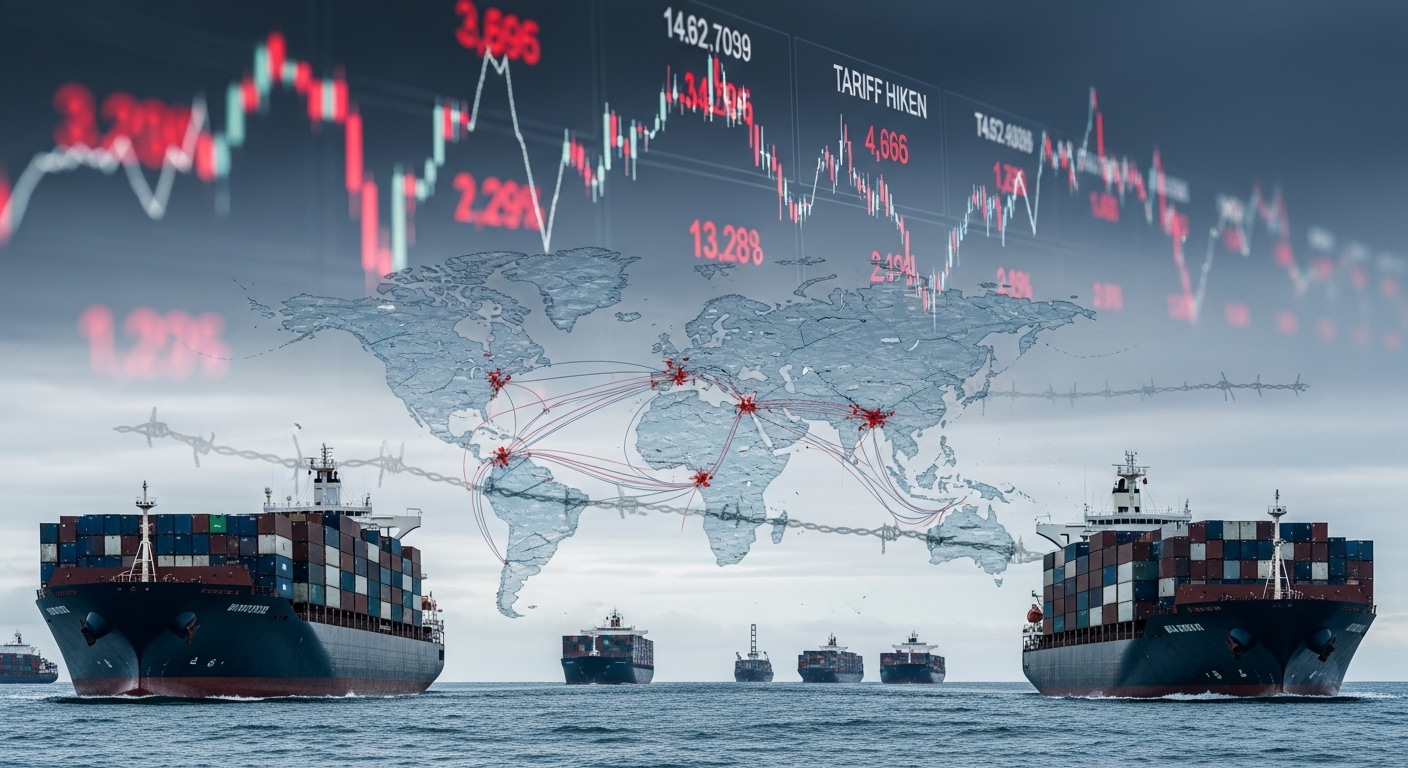
Supply Chain Pressures Continue
Global supply chains remain under strain.
Challenges include:
- Shipping bottlenecks
- Freight cost volatility
- Port congestion
- Logistics disruptions
Businesses say supply uncertainty remains a major risk.
Why Trade Risks Matter for the Global Economy
Trade is central to economic growth.
Disruptions can affect:
- Inflation
- Industrial production
- Consumer prices
- Employment
- Investment confidence
That is why rising trade tensions are drawing global attention.
Markets React to Trade Uncertainty
Investors Watching Trade Developments
Financial markets have responded cautiously to trade risks.
Concerns include:
- Slower export growth
- Corporate earnings pressure
- Supply disruptions
- Global growth risks
Trade headlines are increasingly moving markets.
Market Volatility and Trade Fears
Investors often react sharply to trade conflict concerns.
Possible impacts include:
- Equity volatility
- Currency swings
- Commodity price moves
- Safe haven demand
Analysts say geopolitical trade risks may remain a market driver in 2026.
Major Economies Facing Trade Pressure
Export-Driven Economies Under Focus
Countries heavily dependent on exports may face greater risks.
Concerns include:
- Weak external demand
- Rising trade barriers
- Competitive pressure
This has raised concerns over broader economic slowdown risks.
Industrial Sectors Feeling Pressure
Industries watching trade risks include:
- Manufacturing
- Automotive
- Technology
- Agriculture
- Shipping
Businesses say uncertainty is complicating planning.
Trade Tensions and Inflation Risks
Could Trade Conflict Raise Prices?
Economists warn prolonged trade friction could contribute to inflation through:
- Higher import costs
- Supply shortages
- Production disruptions
That could create additional pressure for consumers and central banks.
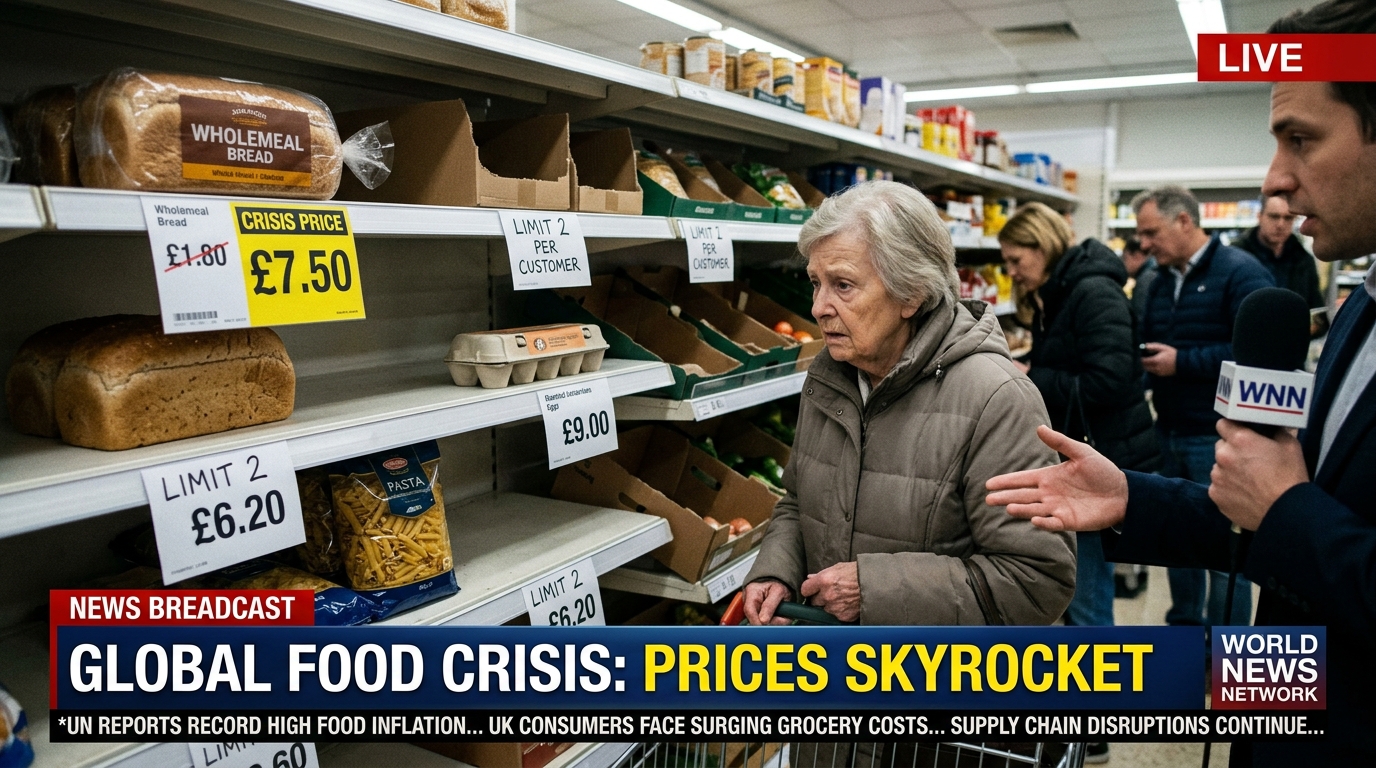
Consumer Impact Could Grow
Trade disruption risks may eventually affect:
- Retail prices
- Product availability
- Business costs
That is why trade tensions matter beyond financial markets.
Geopolitical Rivalries Shaping Trade Risks
Strategic Competition Rising
Trade tensions are increasingly tied to geopolitical rivalry.
Areas of concern include:
- Technology competition
- Strategic industries
- Resource security
- Trade alliances
Analysts say economics and geopolitics are becoming more interconnected.
Trade and National Security Debate
Governments are also increasingly linking trade to security concerns.
This has influenced:
- Export controls
- Investment restrictions
- Supply chain strategy
These developments are reshaping global trade policy.
Could a Trade War Escalate in 2026?
Experts are watching several scenarios.
Scenario One: Negotiated Stability
Some believe diplomacy and trade talks may reduce tensions.
Possible benefits:
- Market confidence
- Lower volatility
- Improved trade flows
This is viewed as the preferred outcome.
Scenario Two: Prolonged Trade Friction
Others expect tensions could persist without major escalation.
That could keep uncertainty elevated.
Scenario Three: Wider Trade Conflict
Some analysts warn broader trade conflict risks cannot be ruled out.
Potential impacts could include:
- Slower growth
- Higher inflation
- Market instability
This remains a closely watched risk.
Governments Weigh Responses
Policymakers are considering responses to manage trade uncertainty.
Possible measures include:
- Diplomatic trade talks
- Supply chain diversification
- Strategic economic planning
- Trade support policies
Governments aim to reduce vulnerability to disruptions.
Business Response to Trade Pressure
Companies are also adjusting strategies.
Responses include:
- Diversifying suppliers
- Shifting production bases
- Reducing supply chain exposure
Businesses say resilience planning has become a priority.
Expert Outlook for 2026
Analysts say several indicators may shape the trade outlook ahead:
- Tariff developments
- Trade negotiations
- Shipping conditions
- Global growth data
Much depends on whether tensions ease or intensify.
For now, uncertainty remains high.
Why This Is One of the Biggest Economic Stories of the Year
Trade tensions combine several major risks:
- Growth uncertainty
- Inflation concerns
- Geopolitical pressure
- Market volatility
That makes this one of the most important global economic stories in 2026.

Conclusion
Global trade tensions are rising in 2026 as tariff risks, supply chain pressures and geopolitical rivalry create growing concern for markets and policymakers.
While some analysts believe diplomacy may prevent wider trade conflict, others warn prolonged friction could weigh on growth and increase economic instability.
With governments, businesses and investors watching closely, trade tensions are likely to remain a major global story throughout the year.
Frequently Asked Questions
Why are global trade tensions rising in 2026?
Analysts point to tariff risks, supply chain disruptions and geopolitical rivalry.
Could trade tensions affect inflation?
Yes, higher trade barriers and supply disruptions can raise costs and inflation pressure.
Can trade tensions impact markets?
Yes, they can influence growth expectations, stocks, currencies and commodities.
What industries are most affected?
Manufacturing, technology, agriculture and shipping are closely exposed.
Why does this matter globally?
Because trade affects economic growth, prices and global financial stability.