Global Political Uncertainty Rises in 2026 as Election Tensions and Power Struggles Shake Markets
Introduction
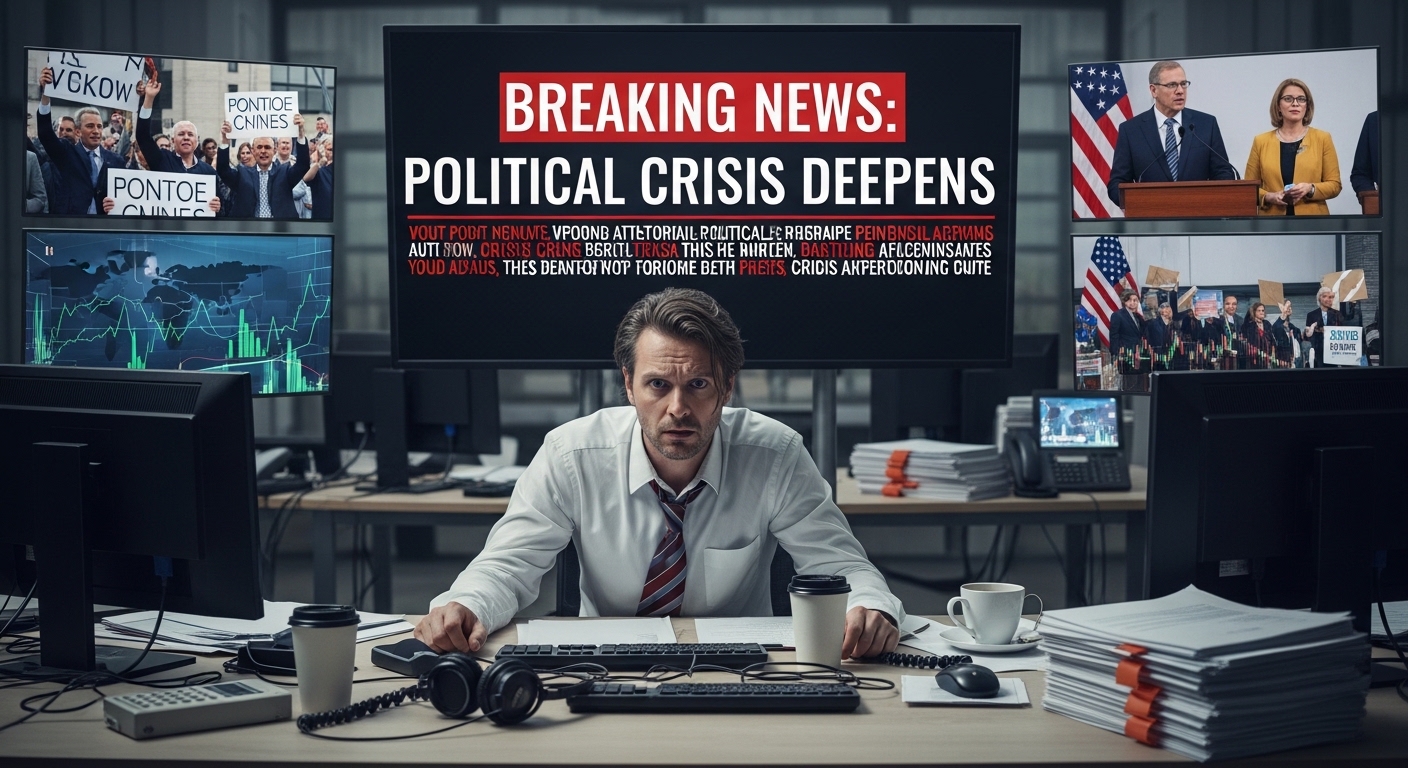
Political uncertainty is emerging as one of the defining global stories of 2026, with election tensions, leadership struggles and policy instability creating concern across major economies and geopolitical centers. Investors, governments and security analysts are watching closely as political risks increasingly intersect with economic volatility and international diplomacy.
Several countries are facing heightened political pressure amid contested elections, coalition disputes and rising public unrest. Analysts warn that prolonged uncertainty could affect not only domestic governance but also global markets, foreign policy and geopolitical stability.
With political developments moving rapidly and markets reacting sharply to instability signals, political risk has become a major factor shaping the global outlook this year.
Why Political Uncertainty Is Rising
Experts say multiple pressures are driving growing political instability.
Key factors include:
- Election-related tensions
- Leadership disputes
- Coalition instability
- Policy polarization
- Protest movements
- Geopolitical rivalries
Analysts say these combined pressures are increasing uncertainty across both developed and emerging economies.
Elections Driving Global Tension
Election cycles in several major democracies are drawing heightened attention in 2026.
Markets and policymakers are watching concerns around:
- Disputed results risks
- Political polarization
- Delayed policy decisions
- Governance uncertainty
Election-related instability can often extend beyond domestic politics and affect broader economic confidence.
Government Stability Under Pressure
Some governments are also facing pressure from internal political challenges.
Key risks include:
- Coalition fractures
- Parliamentary deadlock
- Cabinet instability
- Policy gridlock
Such uncertainty can slow decision-making and raise concerns among investors.
Political Risks Impacting Global Markets
Investors Watching Political Developments
Markets often react sharply to political instability.
Current concerns include:
- Delayed reforms
- Policy unpredictability
- Fiscal uncertainty
- Trade policy shifts
Analysts say political risk is increasingly influencing financial markets in 2026.
Market Volatility Linked to Political Uncertainty
Global investors have become more sensitive to political developments.
Reactions may include:
- Currency volatility
- Stock market swings
- Bond market caution
- Safe-haven demand
Political shocks can often trigger wider market reactions.
Geopolitical Rivalries Adding Pressure
Global Power Competition Rising
Political uncertainty is also being shaped by wider geopolitical rivalry.
Analysts point to:
- Strategic competition
- Security tensions
- Diplomatic disputes
- Regional influence struggles
These factors are contributing to broader instability concerns.
Foreign Policy Risks Under Focus
Political transitions can sometimes affect international diplomacy.
Governments and analysts are watching:
- Alliance commitments
- Trade negotiations
- Security partnerships
- Diplomatic strategy shifts
Changes in political leadership can have global implications.
Protest Movements and Social Pressure
Public Unrest Adding Uncertainty
In some regions, social pressure is adding to political instability.
Concerns include:
- Protest activity
- Public dissatisfaction
- Economic grievances
- Governance pressure
Analysts say prolonged unrest can intensify political risk.
Economic Stress and Political Pressure
Economic challenges often feed political uncertainty.
Factors contributing include:
- Inflation pressure
- Cost-of-living concerns
- Unemployment worries
Economic dissatisfaction can influence political stability.
Could Political Uncertainty Trigger Broader Risks?
Experts are watching several scenarios.
Scenario One: Stability Through Political Resolution
Some analysts believe political systems may absorb current tensions.
This could support:
- Policy stability
- Investor confidence
- Lower volatility
This is seen as the most constructive outcome.
Scenario Two: Prolonged Political Uncertainty
Others warn tensions may continue without clear resolution.
That could lead to:
- Extended policy uncertainty
- Market caution
- Slower economic momentum
This remains a significant concern.
Scenario Three: Wider Political Crisis
Some analysts warn unresolved tensions could deepen into broader political crises.
Potential risks include:
- Governance paralysis
- Institutional stress
- Global spillover effects
Though uncertain, this is closely watched.
Impact on the Global Economy
Political instability often affects economic conditions.
Potential impacts include:
Investment Slowdown
Businesses may delay investment decisions during uncertainty.
Trade Policy Risks
Political shifts can influence global trade relationships.
Growth Concerns
Policy uncertainty can weigh on economic confidence and growth.
That is why markets are watching political risks so closely.
Why Political Risk Matters for Global Markets
Political instability can affect:
- Investor confidence
- Currency stability
- Trade outlook
- Economic policy
Analysts increasingly view political risk as a major market factor.
Government Responses and Risk Management
Governments are attempting to manage uncertainty through:
- Institutional safeguards
- Policy continuity efforts
- Election monitoring mechanisms
- Diplomatic engagement
These measures aim to support stability.
Expert Outlook for 2026
Political analysts say several indicators may shape the outlook ahead:
- Election outcomes
- Coalition stability
- Protest developments
- Geopolitical tensions
Much depends on whether political tensions ease or intensify.
For now, uncertainty remains a defining theme.
Why This Is One of the Biggest Stories of the Year
Political uncertainty combines multiple major risks:
- Democracy pressures
- Market volatility
- Policy instability
- Geopolitical consequences
That makes it one of the most significant global political stories of 2026.
Conclusion
Global political uncertainty is rising in 2026 as election tensions, leadership struggles and policy instability create growing concern across major economies and political systems.
While some analysts believe institutions may contain current risks, others warn prolonged uncertainty could weigh on markets and global stability.
With investors, governments and policymakers watching developments closely, political risk is likely to remain a major global story throughout the year.
Frequently Asked Questions
Why is political uncertainty rising in 2026?
Analysts point to elections, leadership disputes and geopolitical pressures as key drivers.
Can political instability affect markets?
Yes, political uncertainty can influence currencies, stocks, trade and investor confidence.
Why do elections create market risk?
Markets may react to policy uncertainty, disputed outcomes or political instability.
Can political uncertainty affect the global economy?
Yes, it can impact trade, growth, diplomacy and investment decisions.
Why is this important globally?
Because major political developments can have economic and geopolitical consequences beyond national borders.