World War 3 Fears Rise in 2026 as Global Conflicts, Military Alliances and Nuclear Threats Intensify
Introduction
Searches for “World War 3” have exploded online again in 2026 as growing geopolitical tensions, military confrontations and global security fears dominate international headlines. From Eastern Europe and the Middle East to Asia-Pacific flashpoints, the world is witnessing rising instability at a time when multiple conflicts are already stretching diplomatic relations between major powers.
Social media platforms, news channels and political analysts are all discussing the same question: could the world be moving toward a larger global conflict?
While experts continue emphasizing that a full-scale world war remains unlikely, the increasing number of military incidents, defense warnings, cyber attacks and nuclear rhetoric has created widespread public concern. Governments are expanding military budgets, strengthening alliances and preparing for long-term geopolitical competition in ways not seen for decades.
The topic has become one of the most searched news trends globally because it combines fear, uncertainty, politics, military power, energy markets and economic risks—all at once.
For millions of people, “World War 3” is no longer just a historical phrase. It has become one of the defining global anxieties of the modern era.
Why “World War 3” Searches Are Trending Worldwide
Rising Global Tensions Across Multiple Regions
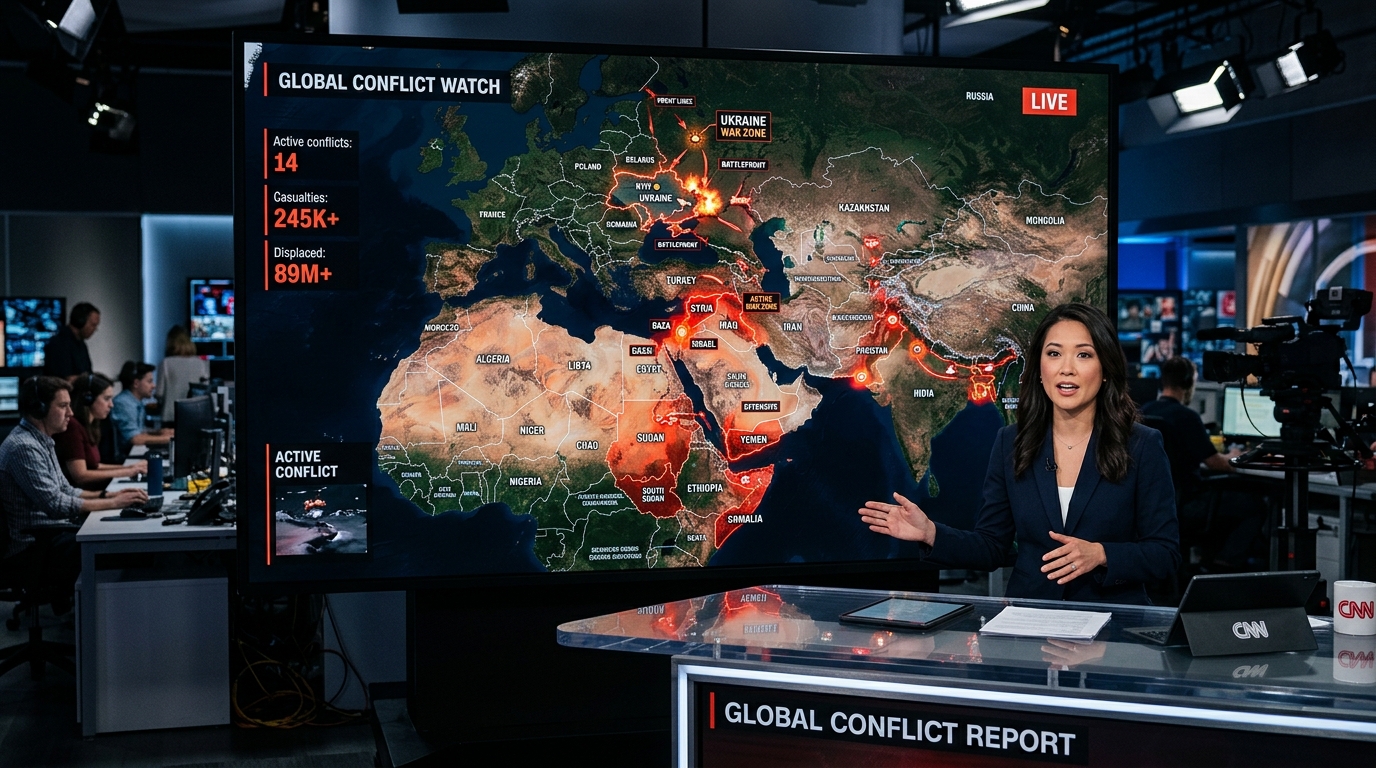
One major reason behind the spike in search traffic is the fact that several geopolitical crises are happening simultaneously.
Global concerns include:
- Military conflicts between rival states
- Increasing naval activity in disputed regions
- Missile and weapons testing
- Rising cyber warfare threats
- Nuclear rhetoric between major powers
People are increasingly worried that multiple regional crises could eventually overlap into something larger.
Social Media Amplifying Fear and Speculation
Platforms like TikTok, X, YouTube and Instagram have accelerated the spread of war-related discussions.
Every day, users share:
- Military footage
- Breaking conflict updates
- Nuclear threat discussions
- Predictions from analysts
As a result, fear-driven searches and online engagement continue rising rapidly.
Geopolitical Flashpoints Raising Concerns
Eastern Europe Remains a Major Focus
Tensions in Eastern Europe continue attracting global attention.
Military developments, sanctions and strategic alliances have created a fragile security environment that analysts continue monitoring closely.
Key concerns include:
- Expansion of military operations
- NATO involvement fears
- Energy security risks
- Weapons escalation
The situation remains one of the biggest geopolitical stories in the world.
Middle East Instability Increasing
The Middle East continues experiencing periods of heightened tension involving:
- Regional rivalries
- Armed conflicts
- Energy infrastructure threats
- Military retaliation risks
Because the region plays a critical role in global oil markets and international security, instability there affects the entire world economy.
Asia-Pacific Military Competition Growing
The Asia-Pacific region is also becoming a major strategic focus.
Concerns include:
- Naval confrontations
- Territorial disputes
- Military drills
- Competition between major powers
Experts say the region is increasingly important for future global stability.
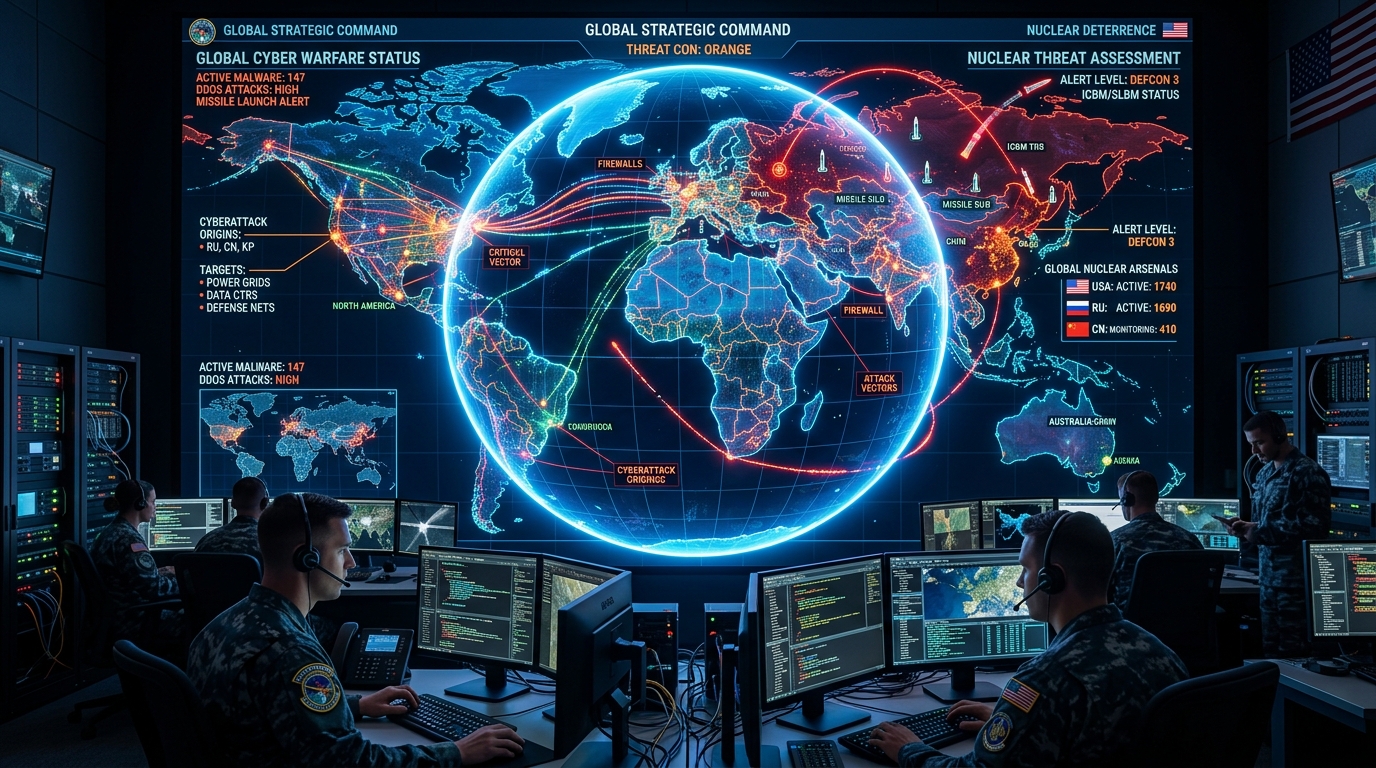
Nuclear War Fears Returning to Global Debate
Why Nuclear Concerns Are Growing Again
For years, nuclear war discussions were less common in mainstream public debate. However, recent geopolitical tensions have brought those fears back into headlines.
People are increasingly discussing:
- Nuclear deterrence
- Missile systems
- Strategic weapons programs
The fear of escalation is driving massive online interest.
Experts Warn Against Escalation
Security analysts repeatedly warn that miscommunication or accidental escalation between major powers could create dangerous consequences.
This is why diplomacy and military communication channels remain critically important.
Cyber Warfare Becoming a New Battlefield
Modern Warfare Is No Longer Only Physical
Today’s conflicts are not limited to tanks and missiles.
Countries increasingly face threats from:
- Cyber attacks on infrastructure
- Digital espionage
- Hacking operations
- AI-powered cyber warfare
Cybersecurity has become a central part of national defense strategies.
Critical Infrastructure at Risk
Cyber attacks targeting infrastructure could affect:
- Electricity grids
- Banking systems
- Transportation networks
- Communication systems
This has increased fears about how future conflicts may unfold.
Military Spending Rising Worldwide
Countries Expanding Defense Budgets
Governments around the world are increasing military spending significantly.
Defense investments include:
- Advanced fighter jets
- Missile defense systems
- Naval expansion
- AI-powered military technology
Many countries say stronger defense capabilities are necessary because of rising geopolitical uncertainty.
Arms Race Concerns Returning
Some experts believe the world may be entering a new arms race.
Competition is increasing in areas such as:
- Hypersonic weapons
- Space defense systems
- Artificial intelligence warfare
Military technology is evolving rapidly.
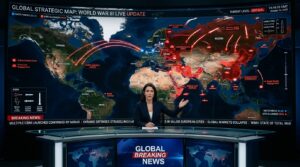
Economic Impact of Global Conflict Fears
Financial Markets Reacting to Uncertainty
Whenever geopolitical tensions rise, financial markets often become unstable.
Investors worry about:
- Energy supply disruptions
- Trade instability
- Inflation pressures
- Global recession risks
War fears can significantly affect economic confidence.
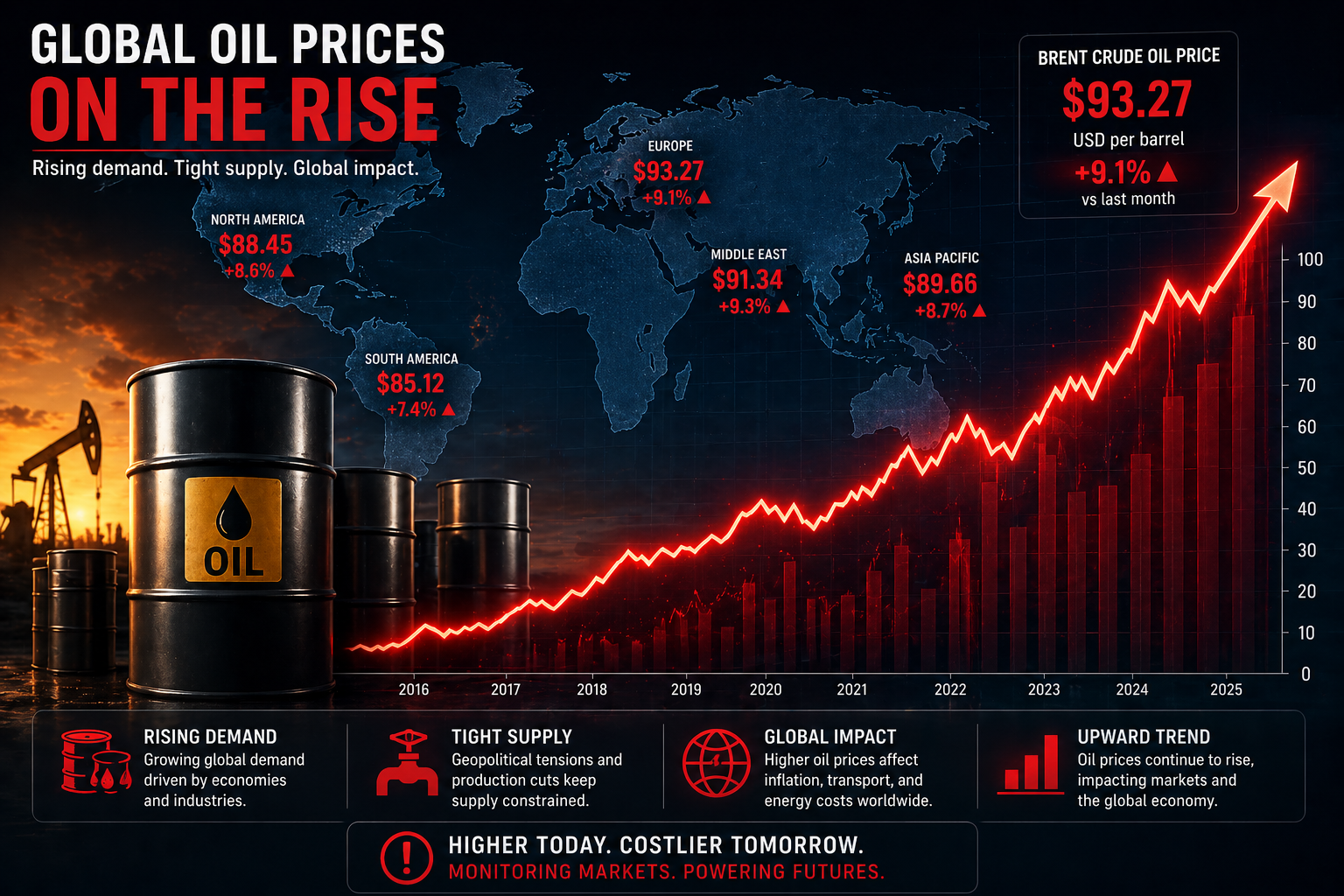
Oil and Energy Prices Becoming Volatile
Energy markets are highly sensitive to geopolitical conflict.
Concerns over military escalation often lead to:
- Rising oil prices
- Fuel market instability
- Increased transportation costs
This directly impacts consumers worldwide.
Why Ordinary People Are Increasingly Worried
Fear of Economic Hardship
For many people, the fear is not only about war itself but also about economic consequences.
People worry about:
- Inflation
- Food shortages
- Job losses
- Financial instability
Global conflict fears affect public psychology deeply.
Younger Generations Facing New Anxiety
Many younger people grew up during relatively stable geopolitical periods. The return of global conflict discussions feels unfamiliar and alarming.
Online discussions about war preparedness, nuclear shelters and geopolitical risk have become increasingly common.
Artificial Intelligence and Future Warfare
AI Changing Military Strategies
Artificial intelligence is transforming defense systems rapidly.
Military applications now include:
- Autonomous drones
- AI-powered surveillance
- Cybersecurity systems
- Battlefield analysis tools
Experts warn AI could reshape warfare dramatically.
Ethical Concerns Over Autonomous Weapons
The rise of AI-driven military systems has sparked ethical debates.
Critics worry about:
- Reduced human control in warfare
- Faster escalation risks
- Unpredictable AI decision-making
International regulations are still evolving.
Role of NATO and Global Alliances
Military Alliances Becoming More Important
Countries are strengthening alliances because of growing uncertainty.
Defense partnerships help nations coordinate:
- Intelligence sharing
- Joint military exercises
- Security planning
Global alliances are once again at the center of international politics.
Diplomatic Efforts Continuing
Despite tensions, diplomatic negotiations remain active.
World leaders continue attempting to:
- Prevent escalation
- Reduce military risks
- Maintain strategic stability
Diplomacy remains critical for avoiding larger conflict.
Why This Topic Gets Massive Daily Searches
“World War 3” is one of the most emotionally powerful search terms online.
It trends daily because people are searching for:
- Breaking war updates
- Nuclear threat news
- Military conflict analysis
- Global security developments
Fear-driven topics naturally generate massive search traffic and social engagement.
Media Coverage and Public Attention
24/7 News Cycle Amplifying Tension
Modern news coverage spreads information instantly.
Every military development quickly becomes:
- Viral social media content
- Breaking news headlines
- Online debates
This constant exposure increases public anxiety.
Misinformation Also Spreading
False or exaggerated war rumors often spread online rapidly.
Experts warn people to rely on verified news sources instead of unconfirmed viral claims.
Could a Global War Actually Happen?
Experts Say Full-Scale War Remains Unlikely
Most geopolitical analysts believe major powers still want to avoid direct global conflict because the consequences would be catastrophic.
Economic interdependence and nuclear deterrence continue discouraging large-scale war.
However, Risks Still Exist
At the same time, experts warn that:
- Miscalculations
- Regional escalations
- Cyber attacks
- Political instability
could create dangerous situations if tensions are not managed carefully.
How Governments Are Preparing
Emergency Planning Increasing
Some governments are reviewing preparedness strategies involving:
- Cyber defense
- Energy security
- Emergency communication systems
National resilience has become a major focus.
Public Awareness Campaigns Expanding
In some countries, officials are encouraging citizens to:
- Stay informed
- Avoid misinformation
- Prepare for emergencies responsibly
Preparedness discussions are increasing worldwide.
Why This Story Matters Globally
The reason this topic generates such intense interest is simple: global conflict affects everyone.
War fears influence:
- Financial markets
- Energy prices
- International travel
- Technology industries
- Everyday consumer costs
Even people far from conflict zones feel the impact of geopolitical instability.
Expert Outlook for 2026 and Beyond
Long-Term Geopolitical Competition Expected
Experts believe the world is entering a period of long-term geopolitical rivalry.
Key trends include:
- Strategic competition between major powers
- Military modernization
- Cyber warfare expansion
- Global alliance restructuring
The international system is changing rapidly.
Diplomacy Will Be Critical
Most analysts agree that strong diplomatic communication will be essential for maintaining global stability.
Avoiding escalation remains the highest priority.
Conclusion
World War 3 fears are rising in 2026 because of growing geopolitical tensions, military competition and increasing global uncertainty. While experts continue emphasizing that a full-scale world war remains unlikely, the combination of regional conflicts, cyber warfare risks and nuclear rhetoric has created widespread public concern.
For millions of people, these fears are no longer abstract political discussions—they are directly connected to economic stability, energy prices, personal security and the future of global peace.
The coming years will likely depend heavily on diplomacy, strategic restraint and international cooperation. In a world that is more connected than ever before, even regional conflicts now have global consequences.
One thing is certain: geopolitical tensions will remain one of the most closely watched and highly searched topics in the world throughout 2026.
Frequently Asked Questions
Why are World War 3 fears trending in 2026?
Because of rising global military tensions and geopolitical conflicts.
Is a global war likely?
Most experts believe full-scale global war remains unlikely, though risks still exist.
Why are people worried about nuclear conflict?
Because nuclear rhetoric and military escalation discussions have increased recently.
How does geopolitical tension affect ordinary people?
It can impact energy prices, inflation, markets and global stability.
Why is this topic searched daily?
Because war fears create strong public interest and emotional engagement worldwide.