Global Food Crisis 2026 Deepens as Inflation, Climate Change and Supply Chain Disruptions Push Prices Higher
Introduction
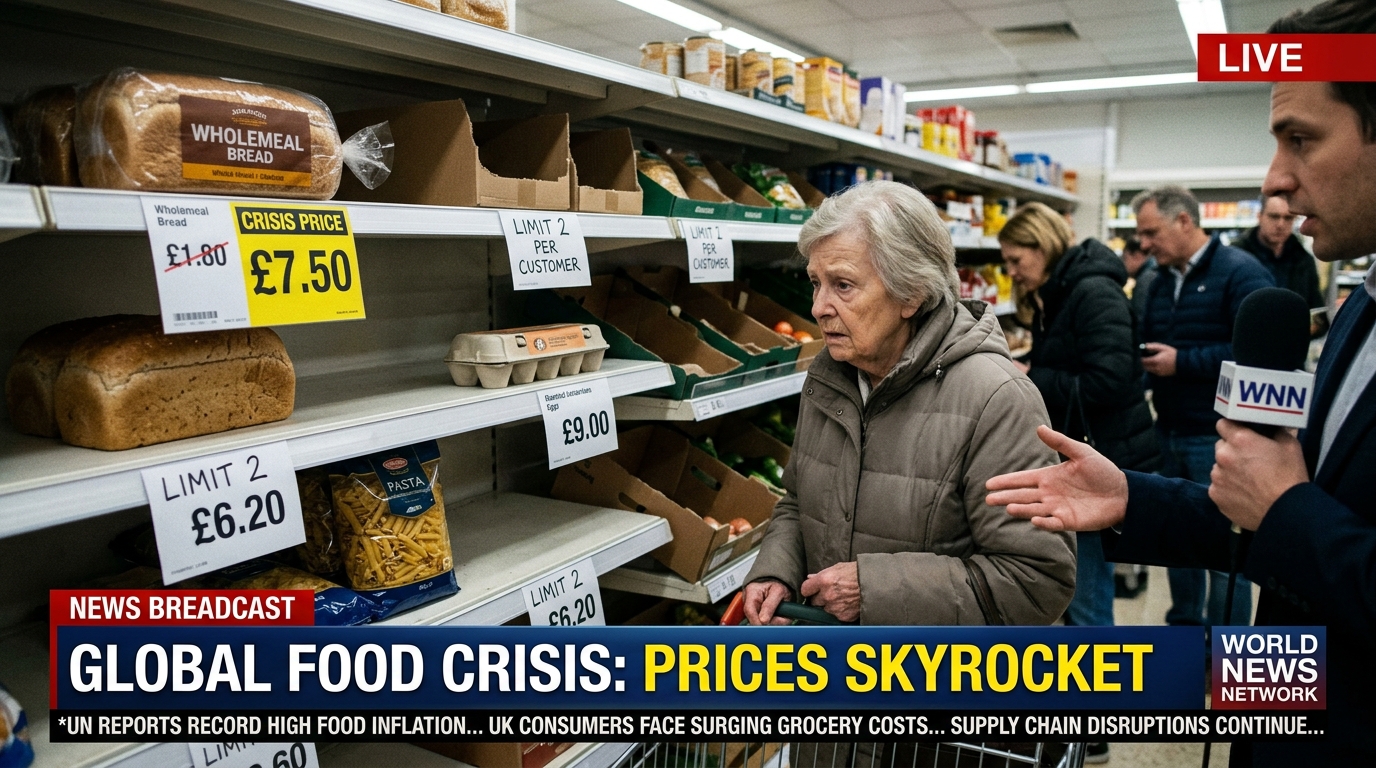
Food prices around the world are climbing once again, and for millions of families in 2026, the cost of basic groceries is becoming increasingly difficult to manage. From bread and rice to vegetables, meat and cooking oil, nearly every category of food has seen price increases in many countries over the past year.
What began as temporary inflation pressure has evolved into a broader global food crisis fueled by climate change, supply chain disruptions, geopolitical instability and rising production costs. Economists and food security experts are warning that the situation could become even more serious if global conditions continue to deteriorate.
The crisis is affecting both wealthy and developing nations, although lower-income communities are facing the harshest impact. Families are changing spending habits, governments are introducing emergency policies and businesses across the food industry are struggling to adapt to rising costs.
As concerns over food shortages and affordability continue growing, the global food crisis has become one of the biggest economic and humanitarian stories of 2026.
Why the Global Food Crisis Is Getting Worse
Inflation Continues to Push Food Prices Higher
One of the main reasons behind rising food costs is inflation.
As overall prices increase across the economy, food producers are facing higher expenses for:
- Fuel and transportation
- Fertilizers and farming equipment
- Packaging materials
- Labor costs
These higher production expenses are eventually passed on to consumers.
Climate Change Is Hurting Agriculture
Extreme weather conditions are creating serious problems for food production worldwide.
Climate-related challenges include:
- Droughts damaging crops
- Floods destroying farmland
- Heatwaves reducing agricultural yields
- Unpredictable rainfall affecting harvests
Farmers in many regions are struggling to maintain stable production.
Supply Chain Problems Continue to Impact Food Markets
Global Shipping Disruptions
Supply chains remain fragile in many parts of the world.
Problems include:
- Shipping delays
- Higher transportation costs
- Port congestion
- Fuel price volatility
These disruptions increase the cost of moving food products across countries and continents.
Dependence on Imported Food
Many countries rely heavily on imported food products.
When global supply chains face disruptions, these nations may experience:
- Higher grocery prices
- Limited food availability
- Increased economic pressure
Food import dependency has become a major concern.
Rising Grocery Prices Affecting Everyday Families
Household Budgets Under Pressure
Families are spending a larger share of their income on food.
In many places, consumers are noticing higher prices for:
- Bread and grains
- Dairy products
- Meat and poultry
- Fruits and vegetables
This is forcing households to cut spending in other areas.
Lower-Income Communities Hit the Hardest
The food crisis affects everyone, but lower-income households face the greatest challenges.
Some families are being forced to:
- Buy cheaper and less nutritious food
- Reduce meal portions
- Skip meals entirely
Food insecurity is becoming a growing humanitarian issue.
Agriculture Industry Facing Multiple Challenges
Farmers Dealing With Rising Costs
Agricultural producers are struggling with higher operating expenses.
Major concerns include:
- Expensive fertilizer prices
- Fuel costs for machinery
- Labor shortages
- Water scarcity
These challenges make farming less profitable and reduce food supply growth.
Fertilizer Shortages Creating Global Risks
Fertilizer production has become more expensive due to energy market pressures.
Reduced fertilizer availability can lead to:
- Lower crop yields
- Reduced food production
- Higher prices for agricultural products
This issue is affecting farming regions globally.
Impact of Geopolitical Tensions on Food Supply
Conflict and Trade Disruptions
Political instability and conflicts can heavily affect food markets.
Possible consequences include:
- Export restrictions
- Damage to agricultural infrastructure
- Supply chain interruptions
Global food systems are highly interconnected, making them vulnerable to geopolitical shocks.
Energy Prices Also Affect Food Costs
Food production depends heavily on energy.
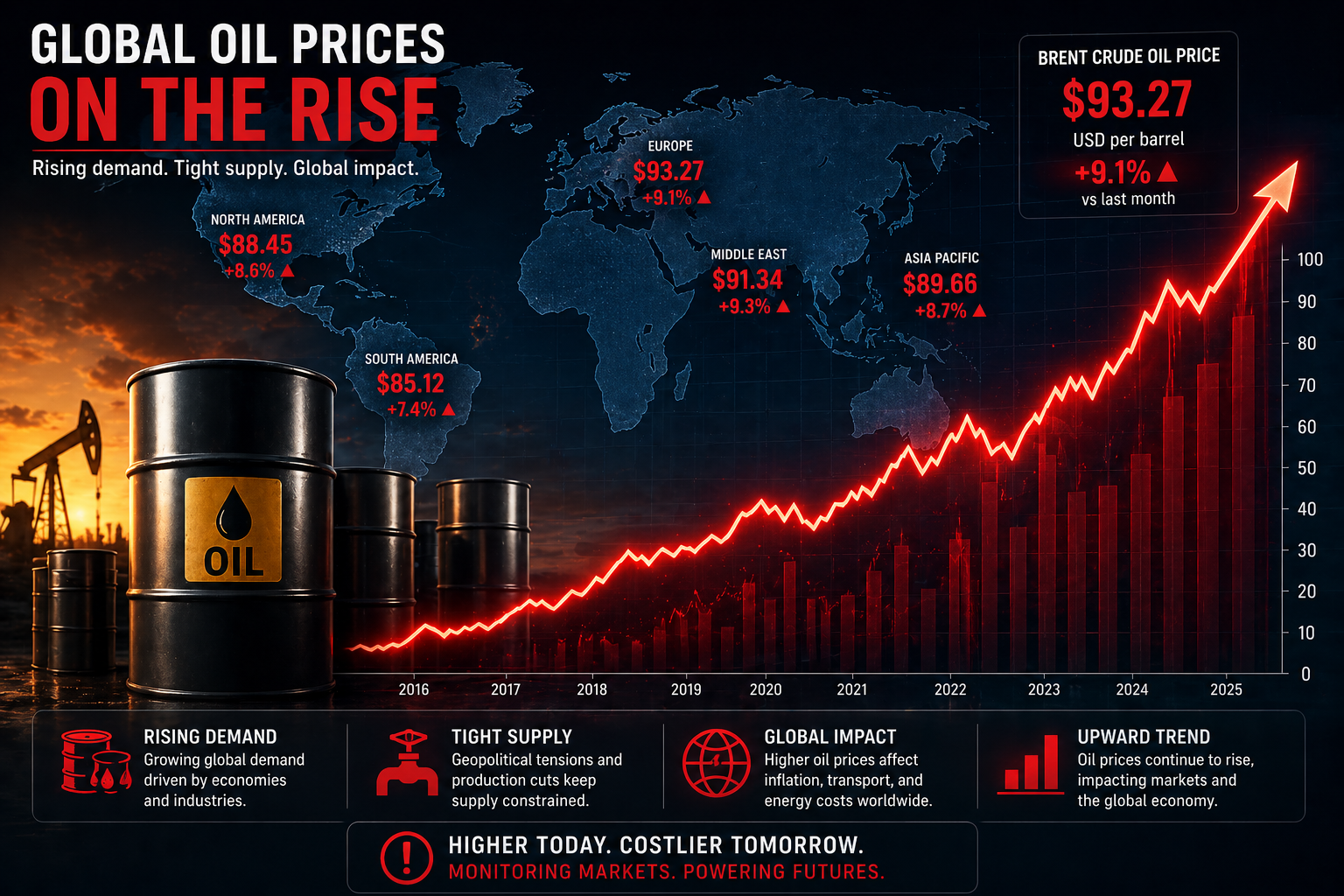
Higher oil and gas prices increase costs for:
- Transportation
- Fertilizer manufacturing
- Food processing
This creates additional pressure on consumers.
Global Hunger Concerns Rising
Food Insecurity Becoming More Serious
Humanitarian organizations are warning about increasing hunger risks.
Factors contributing to food insecurity include:
- Rising prices
- Economic instability
- Climate disasters
- Conflict zones
Millions of people may struggle to access sufficient food.
Children and Vulnerable Groups Most at Risk
The crisis can have long-term effects on vulnerable populations.
Concerns include:
- Malnutrition among children
- Health complications
- Reduced educational opportunities
Food shortages often create broader social problems.

Economic Impact of the Food Crisis
Consumer Spending Patterns Changing
When food prices rise sharply, people spend less on non-essential goods.
This affects:
- Retail businesses
- Tourism
- Entertainment industries
The food crisis can slow economic growth.
Governments Facing Political Pressure
Rising grocery prices often become major political issues.
Citizens expect governments to respond through:
- Subsidies
- Tax relief
- Price control measures
- Emergency food support programs
Managing food inflation has become a priority in many countries.
Technology and Innovation in Agriculture
Smart Farming Solutions
Technology is helping some farmers improve efficiency.
Innovations include:
- AI-powered crop monitoring
- Precision irrigation systems
- Drought-resistant seeds
These solutions may help improve long-term food security.
Vertical Farming and Alternative Food Systems
New farming methods are gaining attention.
Examples include:
- Indoor farming
- Hydroponic agriculture
- Lab-grown food technologies
These methods aim to reduce dependence on traditional farming conditions.
Why Food Prices May Stay High
Structural Challenges in Global Agriculture
Experts say the crisis is not only temporary.
Long-term challenges include:
- Climate change
- Population growth
- Resource shortages
- Water scarcity
These factors may continue affecting food systems for years.
Demand for Food Continues to Increase
As the global population grows, food demand rises as well.
This creates additional pressure on:
- Agricultural production
- Water resources
- Supply chains
Meeting future food demand will require major investments.
Public Reaction and Social Media Discussions
Why This Topic Is Trending Worldwide
Food prices affect nearly every person and household.
People are increasingly searching for information about:
- Grocery inflation
- Food shortages
- Economic survival tips
- Global food supply problems
The issue has become one of the most discussed economic topics online.
Government and International Response
Emergency Food Programs Expanding
Many governments and organizations are introducing support measures.
These include:
- Food aid programs
- Subsidized groceries
- Agricultural support funds
However, experts say more long-term solutions are needed.
Global Cooperation Becoming More Important
International cooperation may help reduce risks.
Key priorities include:
- Improving trade stability
- Supporting sustainable agriculture
- Investing in food infrastructure
Global coordination is becoming increasingly important.
Future Outlook for the Global Food Crisis
Could Conditions Improve?
Some analysts believe food inflation could slow if:
- Supply chains stabilize
- Energy prices decline
- Weather conditions improve
However, uncertainty remains high.
Long-Term Food Security Challenges
Experts believe food security will remain a major global issue throughout the decade.
Future challenges may include:
- Climate migration
- Water shortages
- Population-driven demand increases
The pressure on food systems is expected to continue.
Conclusion
The global food crisis in 2026 is becoming one of the most serious economic and humanitarian challenges facing the world today. Rising inflation, climate change, supply chain disruptions and geopolitical instability are all contributing to higher food prices and growing concerns over long-term food security.
For families, the crisis is felt every time they visit grocery stores. For governments, it has become a major political issue. And for global markets, it represents another layer of uncertainty during an already fragile economic period.
While technology and policy changes may help ease some pressures over time, experts warn that solving the global food crisis will require coordinated international action and long-term investment in sustainable agriculture.
Until then, food affordability and security are likely to remain among the most important global concerns of 2026 and beyond.
Frequently Asked Questions
Why are food prices rising in 2026?
Because of inflation, climate change and supply chain disruptions.
How does climate change affect food production?
Extreme weather damages crops and reduces agricultural output.
Which foods are becoming more expensive?
Bread, meat, vegetables, dairy and cooking oils are among the most affected.
Can the food crisis improve?
Yes, if supply chains stabilize and agricultural conditions improve.
Why is this topic trending globally?
Because rising food prices are affecting households worldwide.