Global Water Crisis Worsens in 2026 as Climate Change and Population Growth Push Resources to the Limit
Introduction
Water is one of the most basic necessities for human survival, yet in 2026, access to clean and reliable water is becoming increasingly difficult for millions of people around the world. What was once considered a problem limited to dry regions is now turning into a global challenge affecting both developed and developing nations.
Across multiple continents, governments are facing rising pressure as droughts intensify, freshwater supplies decline and growing populations demand more resources than ever before. Climate change is making weather patterns more unpredictable, while rapid urban expansion and industrial growth are placing additional strain on already stressed water systems.
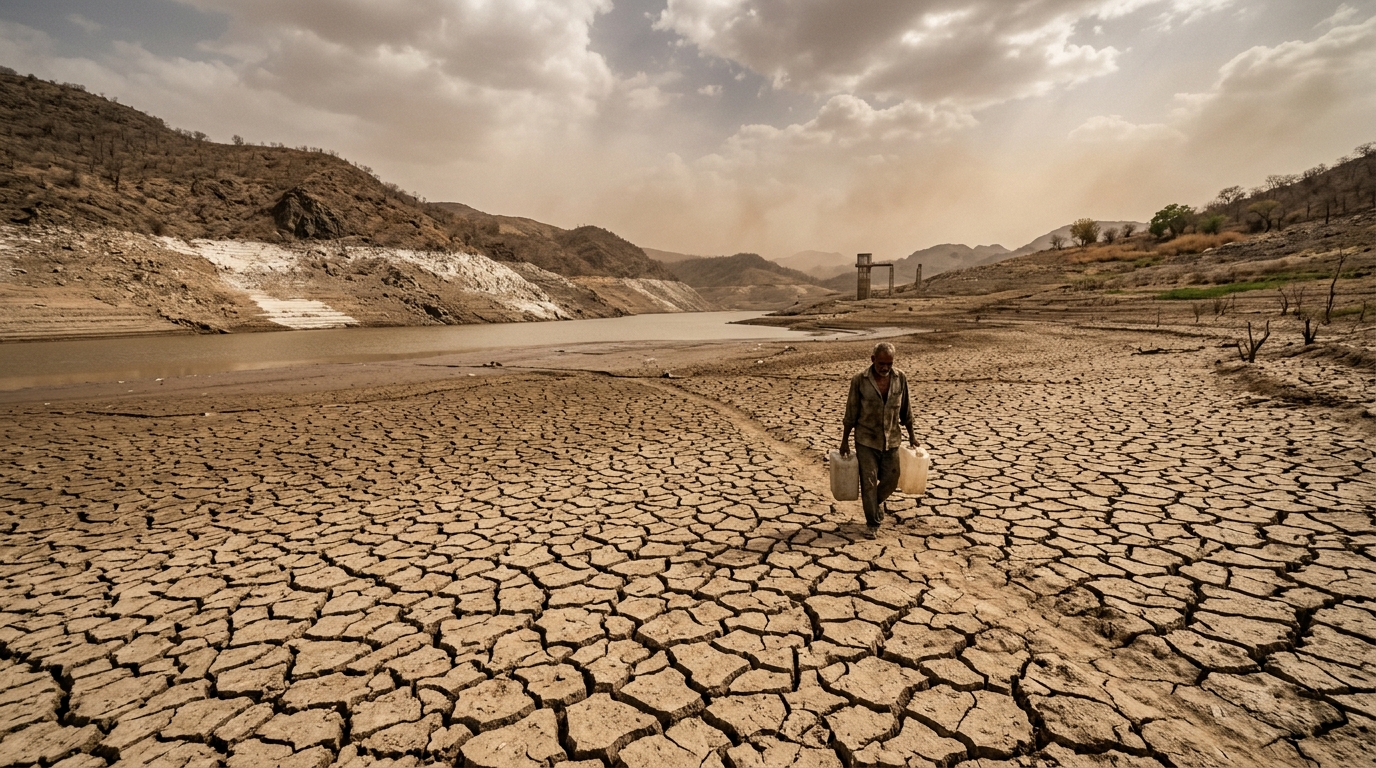
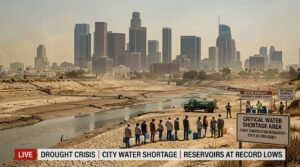
Experts warn that if current trends continue, the world could face severe water shortages in the coming decades. In some areas, the crisis is already visible through drying rivers, shrinking reservoirs and restrictions on water usage.
The growing water crisis is no longer just an environmental issue. It is becoming an economic, political and humanitarian challenge with the potential to reshape societies and global stability.
Why the Global Water Crisis Is Getting Worse
Climate Change Is Disrupting Water Systems
One of the biggest reasons behind the worsening water crisis is climate change.
Rising global temperatures are affecting the natural water cycle in several ways:
- Longer and more intense droughts
- Reduced snowfall in mountain regions
- Faster evaporation from lakes and reservoirs
- Irregular rainfall patterns
As weather becomes less predictable, water systems become harder to manage.
Population Growth Is Increasing Demand
The global population continues to grow rapidly, especially in urban areas.
This means more demand for:
- Drinking water
- Agriculture
- Industry
- Energy production
Many cities are struggling to expand water infrastructure fast enough to keep up.
Freshwater Supplies Under Pressure
Rivers and Lakes Are Shrinking
Across the world, important water sources are under stress.
Many rivers and lakes are experiencing:
- Lower water levels
- Pollution problems
- Reduced flow due to droughts
This affects both ecosystems and human communities.
Groundwater Depletion Becoming a Major Concern
In many countries, groundwater is being used faster than it can naturally recover.
Farmers and cities rely heavily on underground water reserves, but overuse can lead to:
- Dry wells
- Land sinking
- Long-term water shortages
Experts say groundwater depletion is one of the most dangerous hidden aspects of the crisis.
Agriculture Facing Serious Challenges
Farming Uses Massive Amounts of Water
Agriculture remains the largest consumer of freshwater globally.
Crops require huge amounts of water for:
- Irrigation
- Livestock production
- Food processing
When water becomes scarce, food production is directly affected.
Droughts Threatening Food Security
Extreme drought conditions are damaging crops in multiple regions.
This can lead to:
- Lower agricultural output
- Rising food prices
- Increased risk of hunger
The connection between water and food security is becoming impossible to ignore.
Cities Struggling With Water Demand
Urban Areas Facing Water Stress
Large cities are increasingly vulnerable to water shortages.
Problems include:
- Aging infrastructure
- Leaking water systems
- Rapid population growth
Some cities are already introducing water restrictions during peak demand periods.
Rising Cost of Clean Water
Providing clean water is becoming more expensive.
Governments and utility companies face higher costs for:
- Water treatment
- Infrastructure repairs
- Desalination projects
Consumers are beginning to feel the financial impact through rising utility bills.
Impact on Everyday Life
Families Facing Water Insecurity
For many households, water shortages create daily challenges.
People may experience:
- Limited access to clean drinking water
- Reduced sanitation services
- Health risks from unsafe water sources
In poorer communities, the impact can be devastating.
Public Health Risks Increasing
Water shortages and contamination can increase the spread of diseases.
Unsafe water contributes to:
- Waterborne illnesses
- Poor hygiene conditions
- Health emergencies during heatwaves
Public health experts say clean water access is critical for long-term stability.
Economic Consequences of Water Scarcity
Industries Depend on Water
Many industries rely heavily on water supplies.
This includes:
- Manufacturing
- Energy production
- Technology sectors
- Mining and construction
Water shortages can slow economic activity and increase production costs.
Energy Sector Also at Risk
Power generation often requires large amounts of water.
Hydropower and cooling systems for energy plants may face disruptions if water levels continue to decline.
This creates risks for:
- Electricity supply
- Energy prices
- Industrial productivity
Political and Global Security Concerns
Competition Over Water Resources
As water becomes more limited, competition between regions and countries may increase.
Disputes can emerge over:
- Shared rivers
- Dam construction projects
- Agricultural water use
Water security is becoming part of global political discussions.
Migration and Social Pressure
Water shortages can force people to leave affected regions.
This may increase:
- Climate migration
- Urban overcrowding
- Social and political tensions
Experts warn that water scarcity could contribute to future instability.
Technology and Solutions
Desalination and Water Recycling
Countries are investing in new technologies to improve water access.
Important solutions include:
- Desalination plants
- Wastewater recycling systems
- Smart water management technology
These innovations can help reduce pressure on freshwater supplies.
Smarter Agriculture Practices
Farmers are also adapting by using:
- Drip irrigation systems
- Drought-resistant crops
- Precision farming technology
Efficient water use is becoming essential for agriculture.
Government Response and Policies
Calls for Long-Term Water Planning
Governments are under pressure to improve water management.
Key strategies include:
- Expanding infrastructure
- Protecting water sources
- Reducing pollution
- Encouraging conservation
Experts say long-term planning is critical.
Water Conservation Campaigns
Many countries are launching campaigns encouraging citizens to:
- Reduce water waste
- Use water-efficient appliances
- Support conservation efforts
Public awareness is increasing.
Why This Topic Is Trending Worldwide
The water crisis affects nearly every aspect of life.
People are increasingly searching for information about:
- Drought conditions
- Water shortages
- Climate change impacts
- Drinking water safety
This is why water crisis news continues to trend globally.
Expert Outlook for the Future
Scientists and environmental experts believe the water crisis could worsen if action is delayed.
Key areas to watch include:
- Climate trends
- Population growth
- Infrastructure investment
- International cooperation
The future of water security depends on decisions made today.
Can the Crisis Be Solved?
Hope Through Innovation and Cooperation
Despite the seriousness of the situation, experts believe solutions exist.
Progress can be made through:
- Better technology
- Sustainable water use
- Stronger policies
- Global cooperation
However, meaningful action will require long-term commitment.
Conclusion
The global water crisis in 2026 is becoming one of the most urgent challenges facing humanity. Climate change, population growth and rising demand are putting enormous pressure on freshwater resources around the world.
What makes this issue especially important is that water affects everything—health, food, energy, economies and political stability. Without reliable access to clean water, communities and nations face increasing risks.
Although technology and conservation efforts offer hope, experts warn that time is running short. Governments, businesses and individuals will all play a role in determining whether the world can avoid a deeper water crisis in the years ahead.
One thing is certain: water security is no longer just an environmental issue. It is one of the defining global challenges of the modern era.
Frequently Asked Questions
Why is the global water crisis getting worse?
Because of climate change, droughts, population growth and rising demand.
How does water scarcity affect people?
It impacts drinking water, food production, health and daily life.
Which sectors are most affected by water shortages?
Agriculture, energy and industry are heavily dependent on water.
Can technology help solve the water crisis?
Yes, through desalination, recycling and efficient water management.
Why is this topic trending globally?
Because water shortages are affecting millions of people worldwide.